Can You Add Colour to an Existing Lip Tattoo?

So the answer is yes, you can add colour to an existing lip tattoo. But as with all things, cosmetic tattooing and lip blushing, the real answer lies in the details — and that’s where experience counts. At Cosmetic Tattoo Studio Brisbane Face Figurati we’ve worked with so many clients who want to refresh, deepen or change the tone of their existing Lip Blush Tattoo or cosmetic lip tattoo. Some come in with barely-there pinks that have faded to nothing; others with cool-toned mauves that just don’t suit them anymore. Either way, we can do plenty.

Thinking of a Colour Refresh?
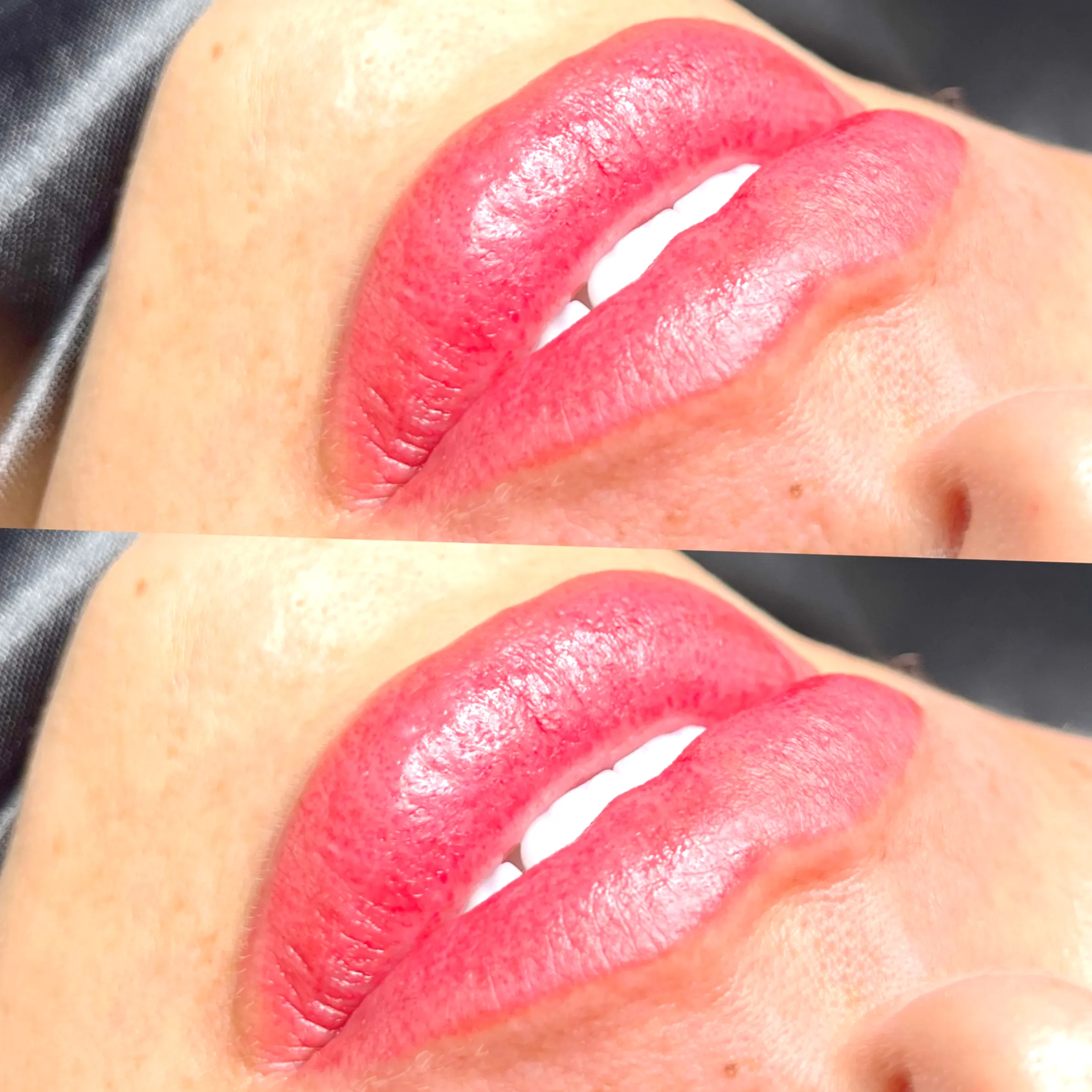
lip tattoo colour refresh

Adding colour to your existing lip tattoo isn’t just a matter of choosing a new pigment colour and going over the top. We need to assess your current pigment, your undertone and how your lips have healed over time. Have they faded evenly? Are there any cool or grey patches from previous lip blushing tattoos? Has your natural lip shape changed due to volume loss, sun exposure or lip fillers? These details guide everything we do.

If your existing tattoo is very saturated or dark we may recommend gentle fading sessions or saline solution lightening first. This gives us a clean canvas to work with and helps avoid pigment muddiness. But if your base is light and even? That’s the dream — we can usually move straight into lip neutralization or colour selection and layering.

Common Reasons Clients Ask Us to Add Colour

Not sure if a colour refresh is for you? Here are a few scenarios we see all the time in the studio:

  • Your original lip blush or lip tint tattoo has faded too much and you want it brightened.
  • The original pigment turned cool, purple or grey over time.
  • Your style has changed and you want a warmer, more peachy or coral hue.
  • You want a more defined lip border or lip line without harsh outlines.
  • You’re correcting poor technique or pigment colour choice from a previous tattooing procedure.

Whether we’re working on lips that are 5 years old or 5 months old we treat every cosmetic tattoo as unique. There’s no one-size-fits-all formula in semi-permanent makeup.

Our Approach to Colour Correction and Add-Ons
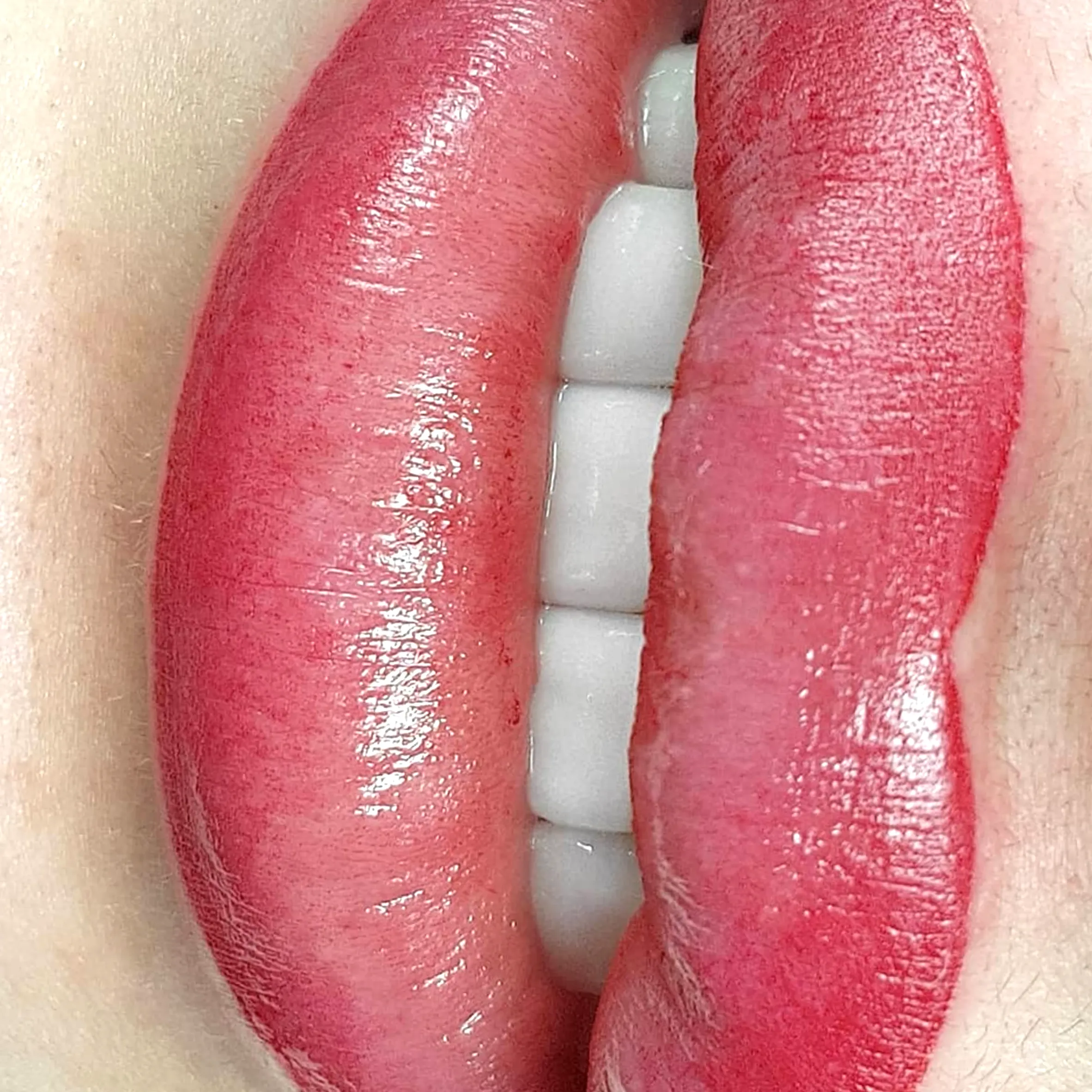
existing lip tattoo update

When Uliana Kasperska or Anastasia Petkov refresh or add colour to an existing Lip Blush Tattoo, we start with a consult and skin undertones analysis. This isn’t just about finding a pretty lipstick shade — it’s about finding one that works with your skin, your goals and the base pigment already in your lips.

We may use a warm modifier or natural pigment to neutralise any cool tones, or a custom mixed pigment to bring balance and vibrancy. We also look at the previous cosmetic tattooing artist technique: was it pixelated or solid? Deep or shallow? These technical aspects affect pigment retention and how new colour sits in the skin.

Once we’ve mapped out the strategy we layer pigment gently using our rotary tattoo machine. We use EU-certified, semi-permanent pigment specifically designed for cosmetic tattooing of the lips — no shortcuts here. Results look natural, soft and age gracefully with a lip-stain effect.

What to Expect During the Appointment

The actual lip blushing procedure takes around 2.5-3 hours including consult, shaping, numbing cream application and tattooing even if you’ve had it done before we always take the time to re-measure and draw your lip outline fresh.

We also spend time mixing and testing the right lip pigment shades on your skin to make sure it reads well with your undertone. If you’re prone to cold sores you’ll need to follow an antiviral protocol before and after your appointment (we’ll walk you through this cold sore aftercare routine).

At Cosmetic Tattoo Studio Brisbane Face Figurati we always customise the lip blushing tattoo in Brisbane based on your unique healing history and natural pigment tone. This ensures better results and long-term satisfaction.

Healing Timeline: Week-by-Week Overview
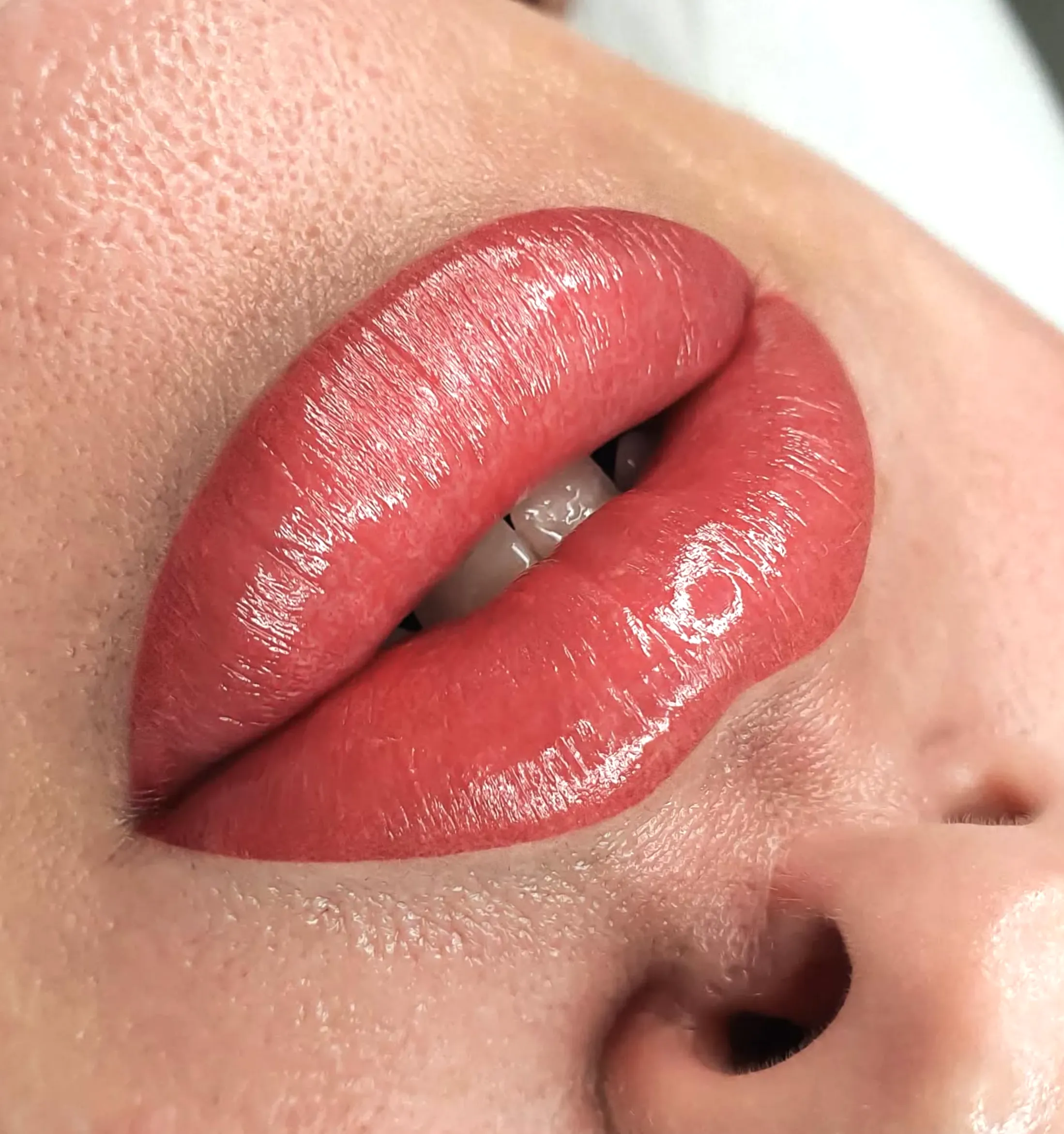
lip tattoo colour correction

Healing after a lip tattoo colour refresh follows a similar path to a full initial permanent makeup treatment. Here’s what to expect in your lip tattoo healing process:

WeekWhat You’ll Notice
1Lips will feel tight and tender, with some mild swelling and darkness. Flaking starts by day 3–4.
2Most flaking has finished. Lip colour will look lighter, possibly patchy. Keep applying lip balm.
3The colour “ghosting” phase begins. Lips may look very faint or like nothing happened. Don’t panic — this is normal.
4Pigment begins returning to the surface. You’ll start to see the real tone settle in.
6Time for your touch-up session! We refine shape, depth, and evenness as needed.

Do I Always Need a Second Session?

Mostly yes. Even for lip colour enhancement or colour add-ons, lips often need that second session to really lock in the pigment and fine-tune the result. The skin on the lips is thin and delicate and healing responses can vary depending on age, circulation, hydration, immune health and blood clotting.

Think of the first session as laying the foundation — the second is where we perfect the details and really sculpt the ideal lip shape.

How Much Does a Tattoo Colour Add-On Cost?
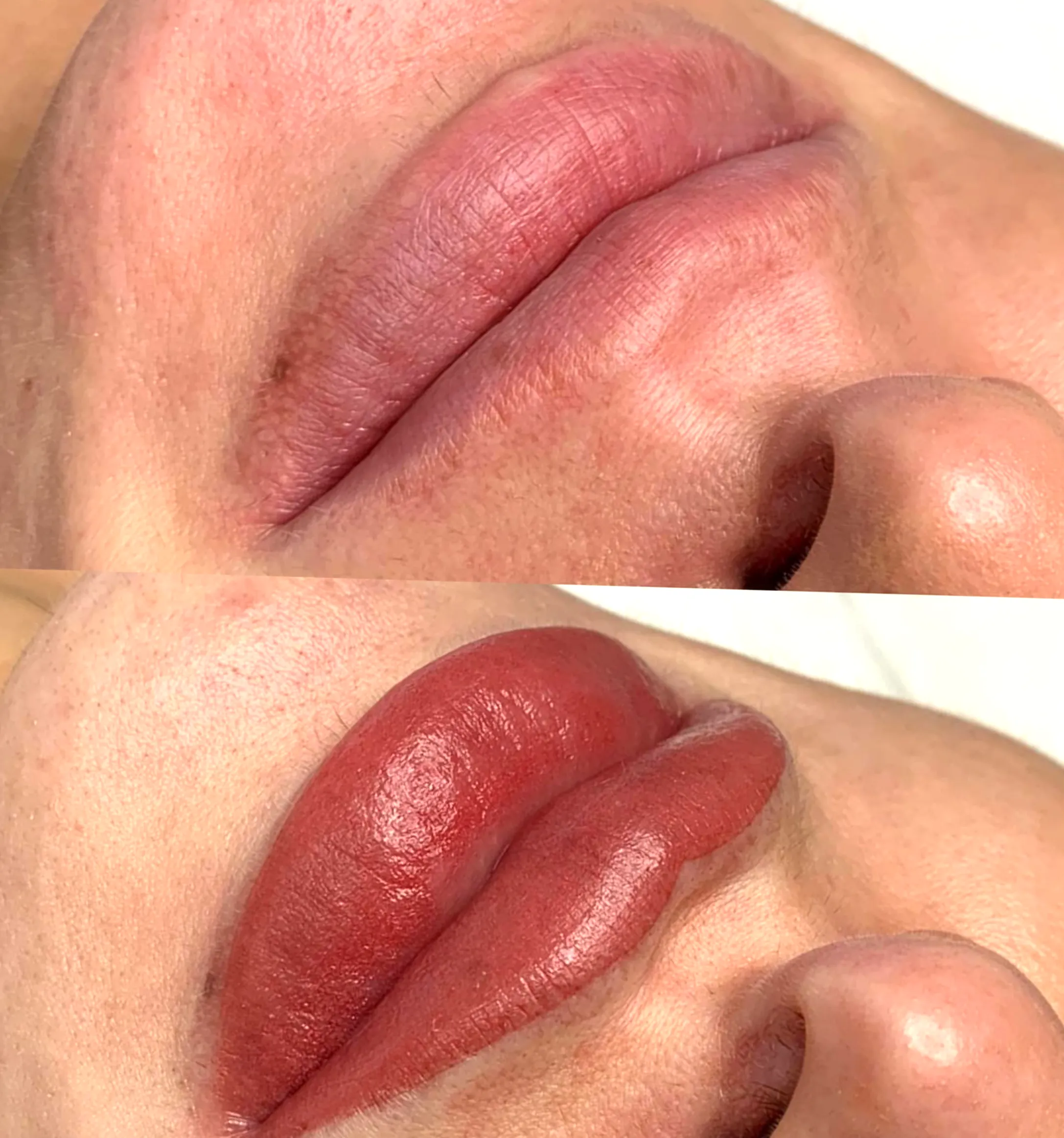
cosmetic tattoo layering
Treatment TypePrice Range
Light refresh (6–12 months)$250–$350
Medium refresh (12–24 months)$350–$450
Full colour correction (24+ months or cool tone fix)$550–$700

We’ll always give you an honest recommendation based on your lips. No upselling, no fluff. Just real advice from experienced permanent makeup artists.

Brisbane Skin Realities

Brisbane skin has its quirks — sun exposure, humidity and lifestyle all affect how tattoo ink and pigment colour ages. We see a lot of sun-damaged lips, uneven fading and changes in vascularity that affect how colour heals. That’s why local knowledge matters.

Our clients come to us for more than just pigment — they trust Cosmetic Tattoo Studio Brisbane Face Figurati for guidance, artistry and real results that honour their skin and goals.

Final Thoughts
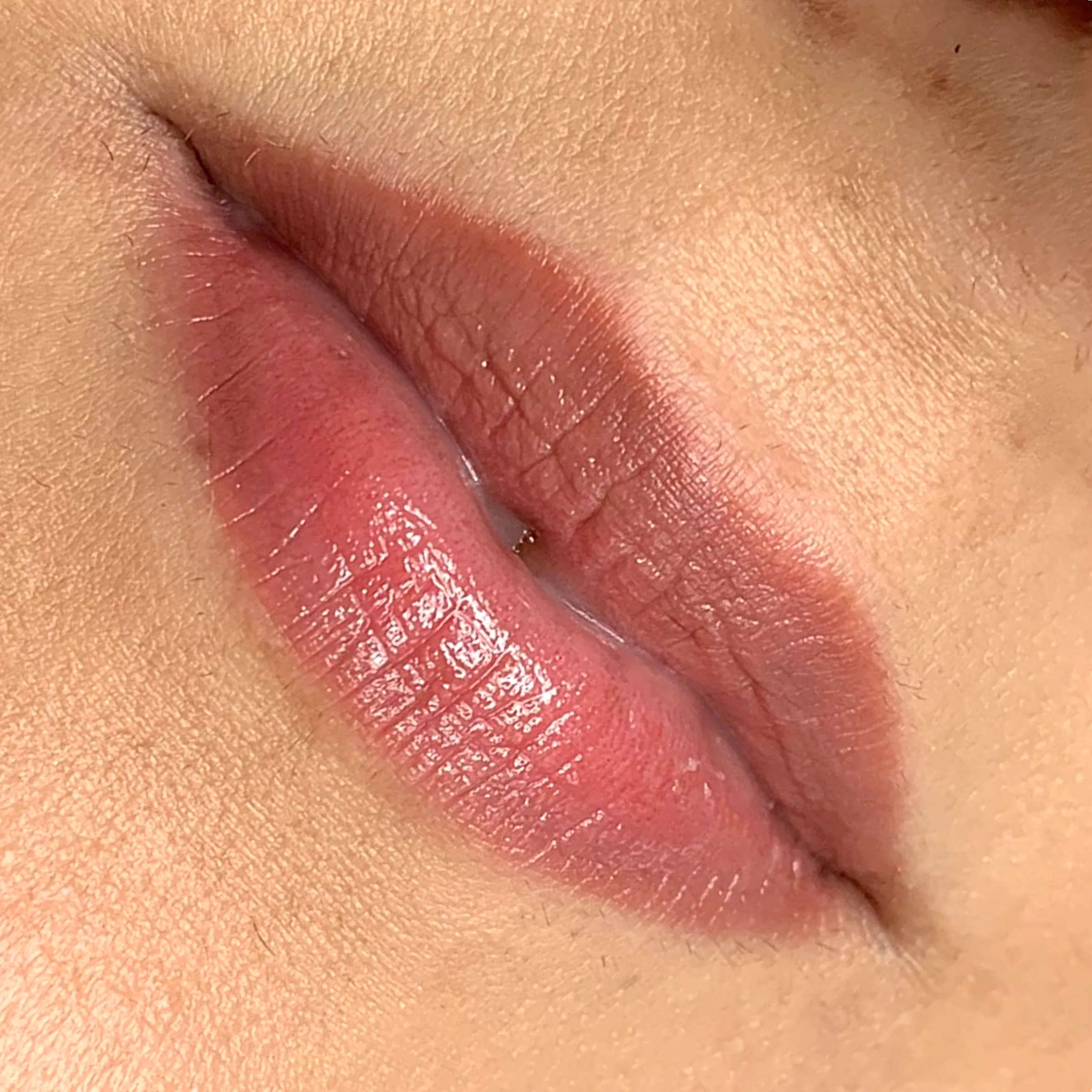
Brisbane lip tattoo artist

Adding colour to an existing lip tattoo is totally doable — and when done well, it can completely transform your look with lip colour enhancement or subtle lip contouring. But it takes experience, pigment science and a personalised plan.

Still unsure if your lips are a good candidate for lip blushing or cosmetic tattooing? Pop by the studio for a consult with Uliana or Anastasia. We’ll give you our honest take, no pressure attached. Let’s find out if lip blushing in Brisbane is the refresh your lips deserve.

FAQ

Can I go darker than my original lip tattoo?

Yes, but only if your current base isn’t too saturated. Otherwise, it can muddy the colour. We’ll assess your lips and determine the right pigment colour.

What if my old lip tattoo turned purple or grey?

That’s a common issue! We can usually neutralise cool tones with a warm colour corrector or a lip neutralisation approach before layering your new lip colour.

How long should I wait between lip tattoo sessions?

Usually 6-8 weeks between initial and perfecting sessions. If fading or dark lip neutralisation is needed beforehand, that’s a separate timeline.

Can I switch from a cool tone to a peachy nude?

Absolutely. That’s one of the most popular lipstick shade requests. But it may take more than one session to get that warm semi-permanent pigment to hold.

Is it more painful the second time around?

Not usually. Some clients say it’s easier because they know what to expect. Our numbing cream and pain-minimising protocol make the tattooing process very manageable.
Where to See Blue-Winged Kookaburras in Kakadu

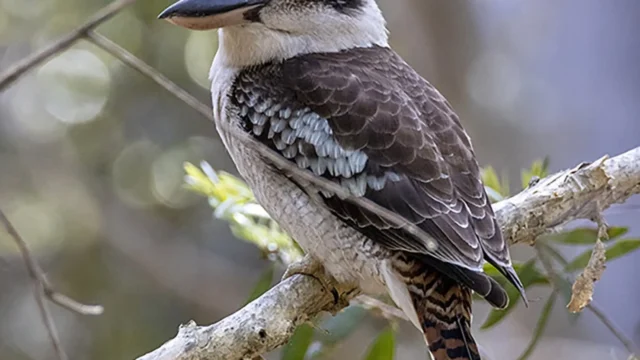
Kakadu National Park, in Australia’s Northern Territory, is one of the most ecologically and culturally significant places on Earth. Home to an amazing array of wildlife, this UNESCO World Heritage site has endemic animals, waterways, and biodiversity like nowhere else in the world. Among the park’s most famous species is the Blue-Winged Kookaburra—a bird with vibrant plumage, sharp eyesight, and a unique call that echoes through monsoon forests, billabongs, and savannas.

If you’re heading to the Top End, Kakadu tours are a must for birders, nature photographers and wildlife enthusiasts.

Meet the Blue-Winged Kookaburra

Blue-Winged Kookaburra

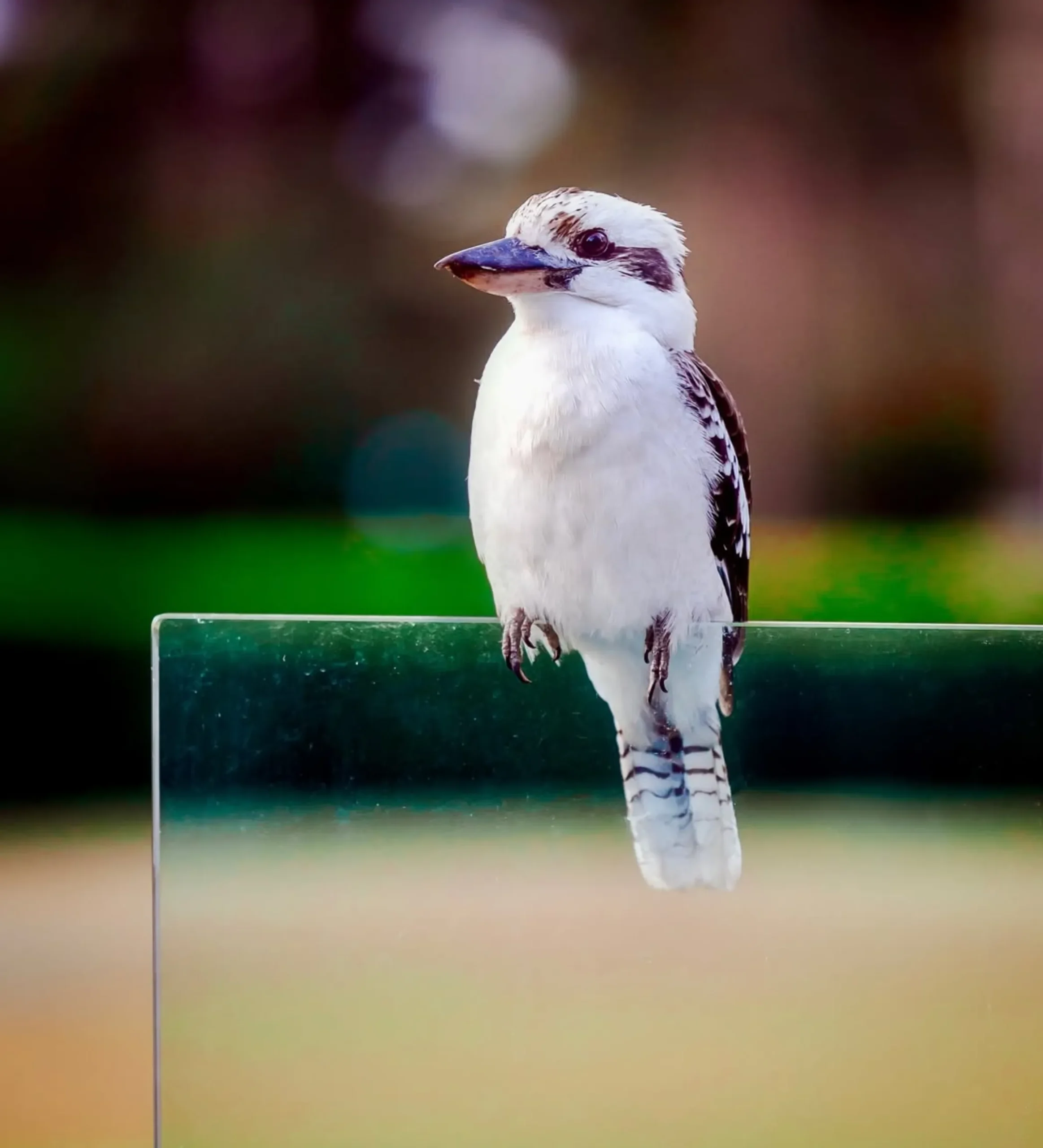
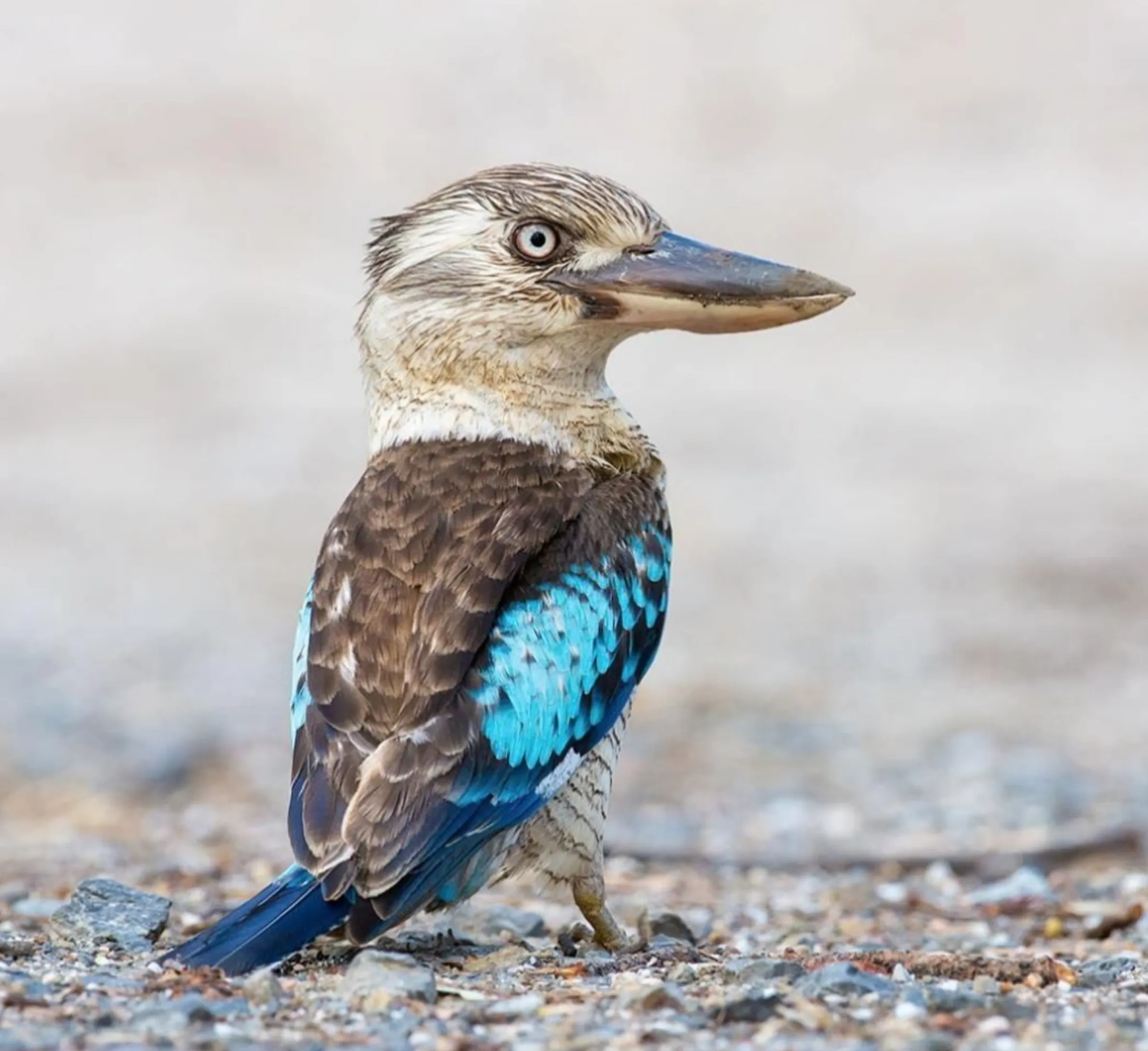
The Blue-Winged Kookaburra (Dacelo leachii) is a stunning member of the kingfisher family, found in northern Australia, including the vast wetlands, woodlands and shallow waters of Kakadu. This native species has a pale head, sharp beak and bold blue feathers on its wings and tail. Unlike its southern cousin, the Laughing Kookaburra, this one doesn’t laugh but is just as loud—often forming noisy colonies during the breeding season.

These clever hunters use their sharp eyesight to spot aquatic insects, small reptiles, frog species, and even arboreal lizards and sugar gliders. They play a vital role in the balance of life in Kakadu’s food chain as native predators and indicator species of habitat health. Kookaburras are often seen perched quietly near coastal waters, listening to the sounds of frogs beneath the dense canopy of Freshwater Mangroves or hunting in open savannas during the dry season.

Join one of the many Kakadu day tours, and you’ll have a good chance of spotting this bird in its natural habitat, especially with a local guide who knows its habits and importance in the ecosystem.

Kookaburras and Indigenous Culture

classification

For the traditional owners of Kakadu—the Bininj/Mungguy people—birds like the Blue-Winged Kookaburra have meaning. Aboriginal knowledge ties each animal to seasonal changes, ceremonial cycles, and cultural practices. While Western scientists record bird behaviour and classification, the Bininj/Mungguy understand these birds through generations of lived experience and storytelling across the Country.

Birds like the kookaburra are seen as a food source, spiritual guides and weather indicators, often heard calling before wet season rains. The bird’s behaviour plays a big part in helping people navigate the transition between the wet season, tropical summer and cold weather.

If you want to learn more, many Kakadu National Park tours include cultural components that explore these deep and ancient connections to the land and its creatures.

Where to Spot

deep waterholes

Blue-Winged Kookaburras are found throughout Kakadu’s different environments. You can see them at:

  • The Yellow Water Billabong, full of water plants, dragon lizards, water birds and even the elusive Azure Kingfisher
  • Around Jim Jim Falls, with its deep waterholes, native vegetation and amphibians
  • In the monsoon forests and network of walking trails throughout Arnhem Land and southern Kakadu
  • Near campsites and boat cruise points like Cooinda Lodge, where bird species like the Forest Kingfisher, Black Cockatoo, Peaceful dove and imperial pigeon also live

Look out for them in the early morning or late afternoon when birds come out of the shade to hunt and clouds of insects fill the air.

If you’re on a Darwin to Kakadu day trip, these sites are included in well-planned itineraries that combine wildlife viewing with scenic and cultural highlights.

Best Time to See

beautiful birds

Dry Season (May to October) is the best time to see Blue-Winged Kookaburras and a wide variety of beautiful birds. With clearer trails and less rain, this is also the time when other species are more active, including the Black-Necked Stork, the Gouldian Finch (Australia’s brightest finch species) and even larger animals like Antilopine Wallaroo and black wallaroo.

Visitors from Darwin often do day trips from Darwin to Kakadu, which are especially popular during the dry season. These are a great way to see Kakadu’s birdlife without having to stay overnight.

But the wet season (November to April) brings the breeding season and the green landscape. This is when migratory species arrive, frog species are more visible, and bird activity is higher near waterways and shallow waters—although travel can be limited due to flooding.

bird experts

For serious birders, Kakadu Bird Week (usually held in the dry season) is the event where bird experts, tour guides and researchers get together to see, study and celebrate Kakadu’s bird diversity.

FAQ

What makes the Blue-Winged Kookaburra unique among Australian species?

It’s one of the most distinctive bird species in the Australian outback, known for its blue plumage, tropical range and noisy colonies. It doesn’t laugh like the Laughing Kookaburra and is common in northern habitats like the Kakadu National Park.

Can I see the Blue-Winged kookaburra during the wet season?

Yes, but access may be limited. The wet season brings wet season rains, flooding and monsoon rains, which trigger their breeding season and bird activity. But travel conditions can be tough due to habitat loss from flooding.

Are there other bird species to look for in Kakadu?

Yes! Kakadu has over 280 bird species, including Rainbow Bee-eater, Azure Kingfisher, Black Cockatoo, Gouldian Finch and Chestnut-quilled rock pigeons. Join a birds of prey cruise or guided tour to learn more.

What are the threats to Blue-Winged Kookaburras in Kakadu?

Like other native predators, they face pressure from invasive species like the cane toad invasion. Conservation efforts include introducing cane toad sausages (a baiting technique) and protecting native flora and aquatic species that are part of the food chain.

How do I book a day trip from Darwin to see birds in Kakadu?

Many tour companies offer Darwin to Kakadu day trips that include guided wildlife tours, birdwatching cruises and cultural experiences. These Kakadu National Park tours are perfect for those with limited time who want to see Kakadu’s birdlife and landscapes.

Best Time to Hike the Larapinta Trail | Optimal Trekking Months

The Larapinta Trail is one of Australia’s most iconic desert treks, 223km from Alice Springs Telegraph Station to Redbank Gorge in the Northern Territory. This epic hiking trail has amazing views, fascinating geology and pristine desert scenery, it’s a must-do for fit hikers and independent travellers.

But when is the best time to hike the Larapinta Trail? Understanding the walking conditions, daily temperatures and seasonal variations is key to a safe and enjoyable trek.

Best Time to Hike the Larapinta Trail

night temperatures

The best time to trek is during the cooler months of April to September when daytime temperatures are mild and night temperatures are cold but manageable.

1. April – May

(Shoulder Months – Green Landscapes & Pleasant Temperatures)

wet season

Pros:

  • Pleasant temperatures (15°C–30°C) with a cool breeze in the mornings.
  • Recent rains from the wet season have made the landscape greener.
  • Water sources like Ellery Creek, Ormiston Gorge and Serpentine Gorge are more reliable.

Cons:

  • Creek beds may still be muddy from the wet season.
  • Night temperatures can be cold, so must-do you’ll need proper camping gear.

2. June – August

(Peak Season – Prime Trekking Conditions & Mild Temperatures)

fellow hikers

Pros:

  • Peak season, best trekking conditions.
  • Mild temperatures (10°C – 25°C).
  • Stunning sunrises over Euro Ridge, Razorback Ridge and Ghost Gum Flat.
  • Good for like-minded travellers who want to share the experience with fellow hikers.

Cons:

  • On cold nights, temperatures can drop to 0°C.
  • Campsites like Serpentine Chalet Dam and Millers Flat can be busy, so like-minded book in advance.

3. August – September

(Late Shoulder Months – Fewer Hikers & Warmer Days)

Pros:

  • Quiet between walks.
  • Wildflowers like Mulla Mulla in Alice Valley and Fringe Lily Creek.
  • Easier access to trail heads at Simpsons Gap and Glen Helen Gorge.

Cons:

  • Daytime temps over 30°C.
  • Water tanks and water sources drying up.

4. October – March (Off-Season – Hot & Dry)

Not Recommended:

  • Daily temps over 40°C.
  • Limited access to water = risk of heat exhaustion.
  • No phone reception.
  • Most Larapinta Trail Transport services not operating.

Important Information for Hiking the Larapinta Trail

1. Water & Food Planning

official campsites
  • Always carry at least 3-4 litres of water per day.
  • Refill at water tanks at official campsites like Jay Creek, Rocky Gully, and Hugh Gorge.
  • Consider food drop locations using Larapinta Food Drops or a food drop service for resupply.

2. Fitness Level & Trail Difficulty

  • Larapinta Trail Trek Support recommends independent hikers have a moderate to high fitness level.
  • Expect plenty of rock hopping on sections like Inarlanga Pass and Rocky Bar Gap.
  • Some sections are grade 3 – moderate walks, others are difficult trails with steep climbs.

3. Must Have Items

  • Trail runners or hiking boots for rocky ground.
  • Sat phone for emergencies.
  • Camping gear, including a drop toilet kit for remote areas.
  • Food dehydrator or dehydrated meals to budget your food.
  • Time to rest and acclimatise.

4. Accommodation & Camping Fees

  • Accommodation in Alice Springs from hostels to luxury lodges.
  • Extended walk fees at Serpentine Chalet, Ellery Creek Big Hole and Chalet Dam.
  • Cheap supermarket.

Final Thoughts

The best hiking season is April to August—cooler months with epic views, prime trekking conditions, and pleasant temperatures. Whether you’re an independent traveler looking for a couple of days on the trail or joining an all-inclusive Larapinta Trail Tour with expert guidance, plan ahead for a safe and rewarding journey.

fascinating geology

Ready for an amazing ridgeline adventure in Australian geology? Book your Larapinta Trail tours now! For guided Australian outback tours in this region, an Australian Outback tour offers the best all-inclusive value trips, allowing you to experience the incredible views and fascinating geology of the Red Centre with expert guidance.

FAQ

How long does it take to hike the entire Larapinta Trail?

The full Larapinta Trail is 223 km and takes 12 to 16 days to complete depending on your fitness level and pace. Many hikers choose to section hike for a couple of days.

Is there water along the Larapinta Trail?

Yes, there are water tanks at official campsites like Ellery Creek Big Hole, Serpentine Chalet Dam and Rocky Bar Gap. But always carry at least 3-4 litres of water per day as some water sources may dry up in warmer months.

How difficult is the Larapinta Trail?

The Larapinta Trail has a mix of grade 3 – moderate walks and difficult trails with steep ascents like Inarlanga Pass, Razorback Ridge and Euro Ridge. Hikers should have a moderate to high level of fitness and be prepared for plenty of rock hopping.

What is the best time of year to hike the Larapinta Trail?

The best, hiking season is April to August, cooler months with daytime temperatures mild and night temperatures cool. Avoid October to March as daily temperatures can reach 40°C.

Do I need to book campsites?

Yes, book ahead, the best, especially during peak season (June – August). Some campsites like Serpentine Chalet, Hugh Gorge and Ghost Gum Flat charge camping fees. If you’re using food drops or a food drop service plan your food drop locations.

Is Tattoo Removal Worth It? Costs, Methods & Effectiveness

Tattoos have been a form of self expression for years but what happens when you no longer vibe with the ink on your skin? Whether it’s a change of heart, a career change or a bad tattoo, many people consider tattoo removal. But is it worth it? Let’s break it down.

The Results

cost tattoo removal

Modern tattoo removal techniques like laser tattoo removal have made it possible to fade or remove unwanted tattoos. But tattoo removal is not instant. It takes multiple laser tattoo removal sessions, weeks apart to break down the tattoo pigment in your skin. Results depend on:

  • Tattoo Size & Color: Black tattoos are easiest to remove, colorful tattoos especially blue and green ones are harder to remove due to their position in the color spectrum.
  • Skin Type & Skin Tone: Lighter skin tones see faster results but laser tattoo removal works on all skin types.
  • Ink Depth & Quality: Professional tattoos are deeper in the skin and require more sessions for effective removal.
  • Technology Used: Advanced laser tattoo removal technology like PicoSure or Q-switched lasers makes removal more effective by breaking down tattoo ink better.
  • Method of Tattoo Removal: Methods of tattoo removal are laser removal, surgical removal, excision tattoo removal, saline tattoo removal depending on the tattooed skin and tattoo color.

The Science Behind

laser tattoo removal in melbourne

Laser tattoo removal works by using pulses of light to break down the particles of pigment in the tattoo ink. The laser pulses target the tattoo pigment without affecting the surrounding skin pigment. White blood cells then carry away the broken down tattoo ink and the body naturally fades the tattoo over time. The type of laser used plays a big role on how different tattoo colors can be removed.

Tattoo removal specialists take into account skin color, tattoo color and tattoo pigment density to customize a treatment plan. This ensures the laser tattoo removal treatment is as effective as possible with minimal risk of skin irritation, hyperpigmentation or uneven skin tone.

Pain & Side Effects

permanent tattoo removal

Tattoo removal is like getting a tattoo but the sensation can be different. Many describe it as a snapping or stinging feeling like a rubber band. Some clinics offer numbing creams or numbing agents to minimize discomfort.

  • Redness and swelling
  • Blisters or scabs
  • Temporary skin discoloration or uneven skin tone
  • Skin irritation and scarring (rare with modern technology)
  • Allergic reaction to broken down tattoo ink with heavy metals
  • Anallergic reaction in sensitive skin

Cost

tattoo removal melbourne cbd

Tattoo removal isn’t cheap. Depending on the removal method, size, tattoo color and location of the tattooed skin, each session can cost between $100-$500. Most tattoos require multiple sessions. You need to weigh the financial commitment, including payment options, against the benefits of removing an unwanted tattoo.

Factors that affect the cost:

tattoo removal treatments melbourne
  • Tattoo Size – Larger tattoos require more sessions.
  • Tattoo Color – Black tattoos are easier to remove, colorful tattoos require special treatment.
  • Treatment Time – More intricate tattoos take longer to treat.
  • Advanced Technique & Technology – New technology has made laser treatments more effective and safer.
  • Clinic Location – Laser tattoo removal Melbourne or other capital cities may be more expensive than in smaller towns.

Other Options

If you’re not ready to remove the tattoo completely you may consider:

  • Cover-up Tattoos: A good tattoo artist can design a new tattoo to cover the existing one.
  • Fading for Cover-ups: Some people get a few laser tattoo removal treatments to fade the tattoo before covering it with a new design.
  • Tattoo Removal Cream: Not as effective but some opt for tattoo removal creams for fading.
  • Saline Tattoo Removal: An alternative removal method for cosmetic tattoos like eyebrows tattoo or permanent eyeliner.
  • Excision Tattoo Removal: A surgical removal method for small tattoos.

Conclusion

Tattoo removal is worth it if you’re experiencing tattoo regret, distress or if your tattoo is affecting your career. But you need to have realistic expectations and commit to the healing process. Consult with a tattoo removal specialist to get a better idea of what to expect based on your tattoo.

Follow proper aftercare instructions such as no sun exposure, apply antibiotic ointment and wear loose fitting clothes to prevent irritation to get the best results. Understanding the healing process, aftercare and potential side effects will help you make an informed decision.

Tattoo removal Melbourne is a personal choice and understanding the different removal options will help you decide if it’s for you. If you’re considering removal, consult a certified professional at a laser clinic to discuss your tattoo removal treatment plan, treatment time and success rate. Always follow aftercare instructions, use antibiotic ointment and avoid tight clothes to get the best skin results.

FAQ

How many sessions is tattoo removal?

Number of sessions depends on size of tattoo, color of tattoo, depth of tattoo pigment and skin type. Most people need 5-10 sessions for significant fading or complete removal.

Does tattoo removal scar?

When done by an experienced tattoo removal specialist with modern laser tattoo removal technology, the risk of scarring is low. Proper aftercare is key to preventing complications.

Is tattoo removal more painful than getting a tattoo?

Pain varies from person to person but many find it similar to getting a tattoo. Numbing creams and cooling techniques can help.

Can all tattoo colors be removed?

Black tattoo pigment is the easiest to remove, blue, green and yellow may need additional sessions with specialized lasers due to color density and color building moisturisers.

Is tattoo removal safe for all skin tones?

Yes, but with caution for darker skin tones. Specialist will adjust the laser accordingly.