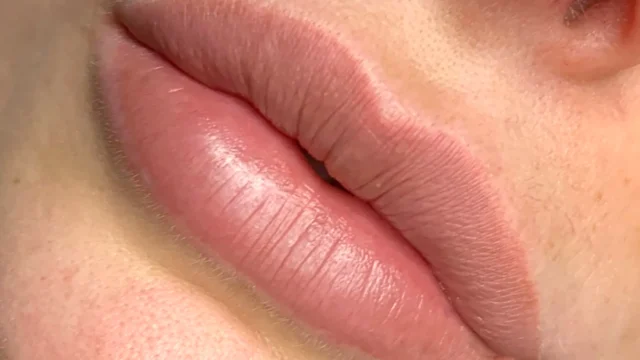
Can You Add Colour to an Existing Lip Tattoo?

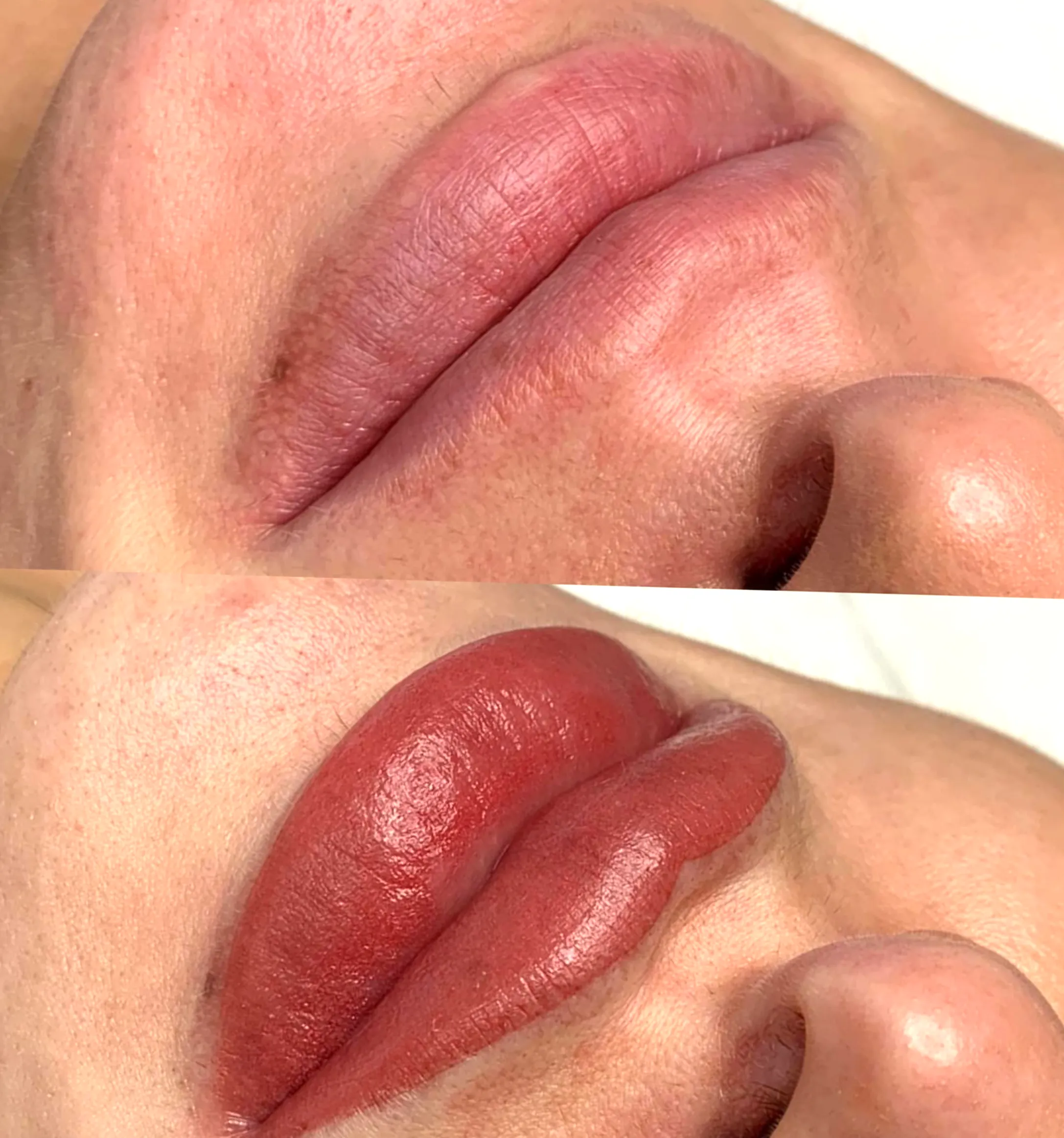
So the answer is yes, you can add colour to an existing lip tattoo. But as with all things, cosmetic tattooing and lip blushing, the real answer lies in the details — and that’s where experience counts. At Cosmetic Tattoo Studio Brisbane Face Figurati we’ve worked with so many clients who want to refresh, deepen or change the tone of their existing Lip Blush Tattoo or cosmetic lip tattoo. Some come in with barely-there pinks that have faded to nothing; others with cool-toned mauves that just don’t suit them anymore. Either way, we can do plenty.

Thinking of a Colour Refresh?
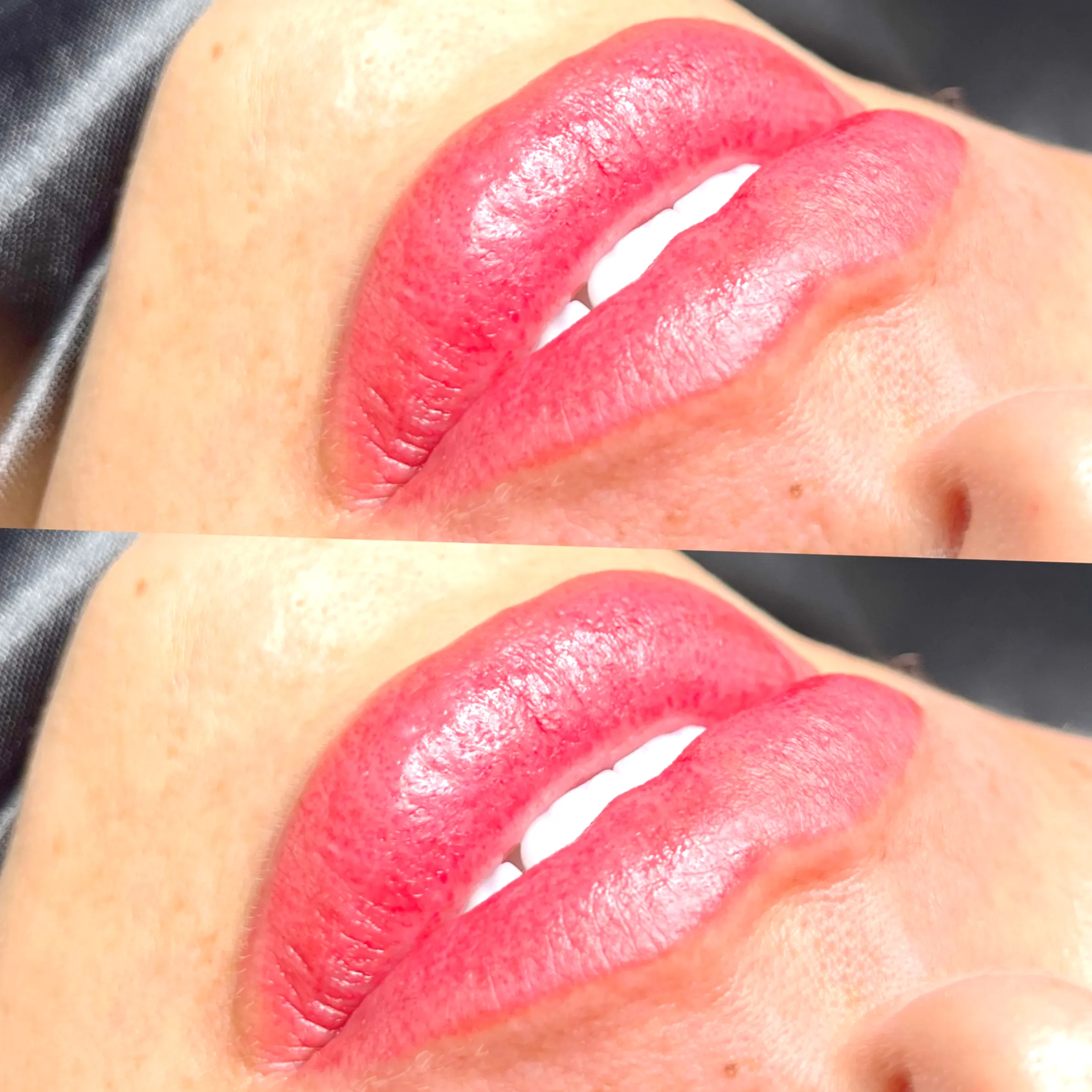
lip tattoo colour refresh

Adding colour to your existing lip tattoo isn’t just a matter of choosing a new pigment colour and going over the top. We need to assess your current pigment, your undertone and how your lips have healed over time. Have they faded evenly? Are there any cool or grey patches from previous lip blushing tattoos? Has your natural lip shape changed due to volume loss, sun exposure or lip fillers? These details guide everything we do.

If your existing tattoo is very saturated or dark we may recommend gentle fading sessions or saline solution lightening first. This gives us a clean canvas to work with and helps avoid pigment muddiness. But if your base is light and even? That’s the dream — we can usually move straight into lip neutralization or colour selection and layering.

Common Reasons Clients Ask Us to Add Colour

Not sure if a colour refresh is for you? Here are a few scenarios we see all the time in the studio:

  • Your original lip blush or lip tint tattoo has faded too much and you want it brightened.
  • The original pigment turned cool, purple or grey over time.
  • Your style has changed and you want a warmer, more peachy or coral hue.
  • You want a more defined lip border or lip line without harsh outlines.
  • You’re correcting poor technique or pigment colour choice from a previous tattooing procedure.

Whether we’re working on lips that are 5 years old or 5 months old we treat every cosmetic tattoo as unique. There’s no one-size-fits-all formula in semi-permanent makeup.

Our Approach to Colour Correction and Add-Ons
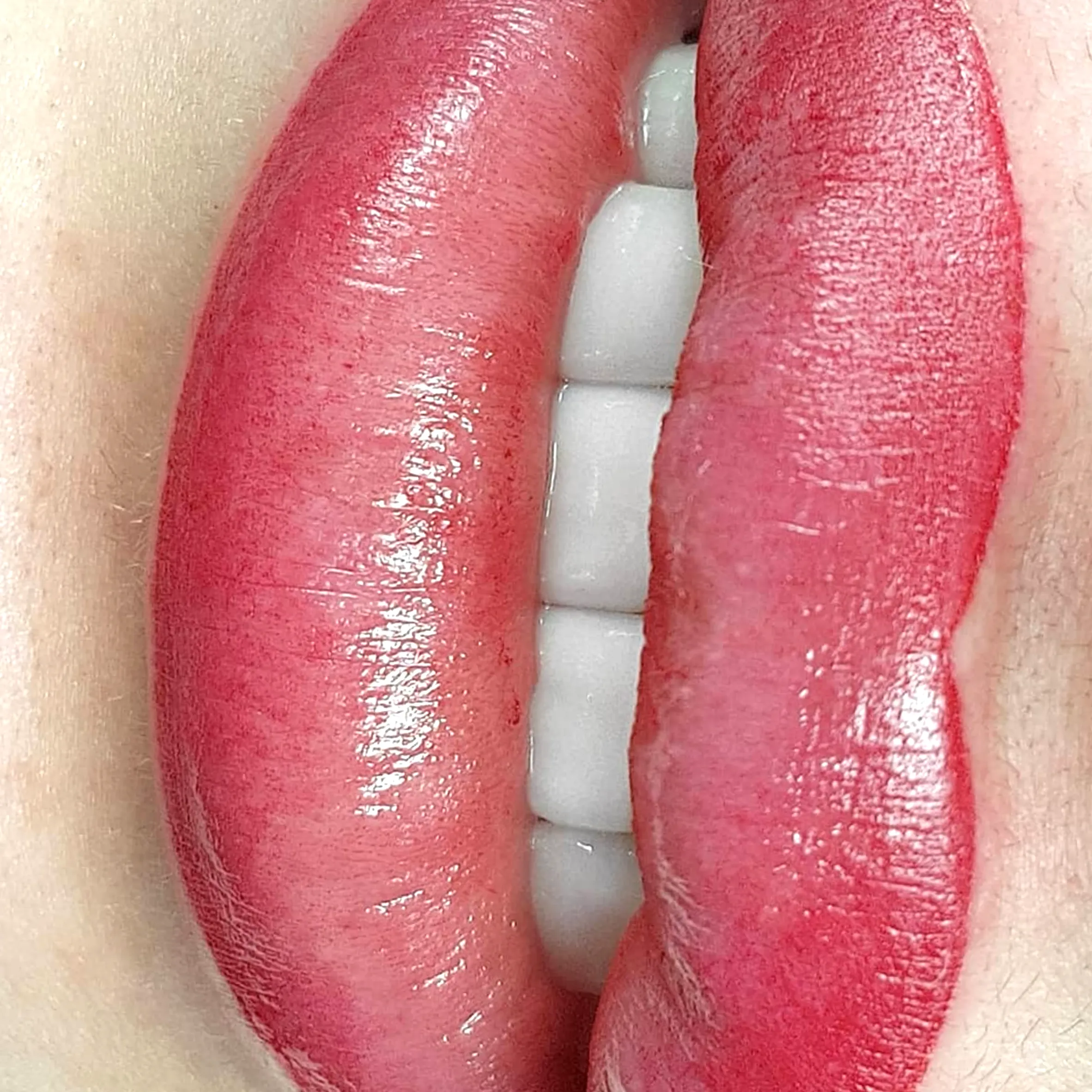
existing lip tattoo update

When Uliana Kasperska or Anastasia Petkov refresh or add colour to an existing Lip Blush Tattoo, we start with a consult and skin undertones analysis. This isn’t just about finding a pretty lipstick shade — it’s about finding one that works with your skin, your goals and the base pigment already in your lips.

We may use a warm modifier or natural pigment to neutralise any cool tones, or a custom mixed pigment to bring balance and vibrancy. We also look at the previous cosmetic tattooing artist technique: was it pixelated or solid? Deep or shallow? These technical aspects affect pigment retention and how new colour sits in the skin.

Once we’ve mapped out the strategy we layer pigment gently using our rotary tattoo machine. We use EU-certified, semi-permanent pigment specifically designed for cosmetic tattooing of the lips — no shortcuts here. Results look natural, soft and age gracefully with a lip-stain effect.

What to Expect During the Appointment

The actual lip blushing procedure takes around 2.5-3 hours including consult, shaping, numbing cream application and tattooing even if you’ve had it done before we always take the time to re-measure and draw your lip outline fresh.

We also spend time mixing and testing the right lip pigment shades on your skin to make sure it reads well with your undertone. If you’re prone to cold sores you’ll need to follow an antiviral protocol before and after your appointment (we’ll walk you through this cold sore aftercare routine).

At Cosmetic Tattoo Studio Brisbane Face Figurati we always customise the lip blushing tattoo in Brisbane based on your unique healing history and natural pigment tone. This ensures better results and long-term satisfaction.

Healing Timeline: Week-by-Week Overview
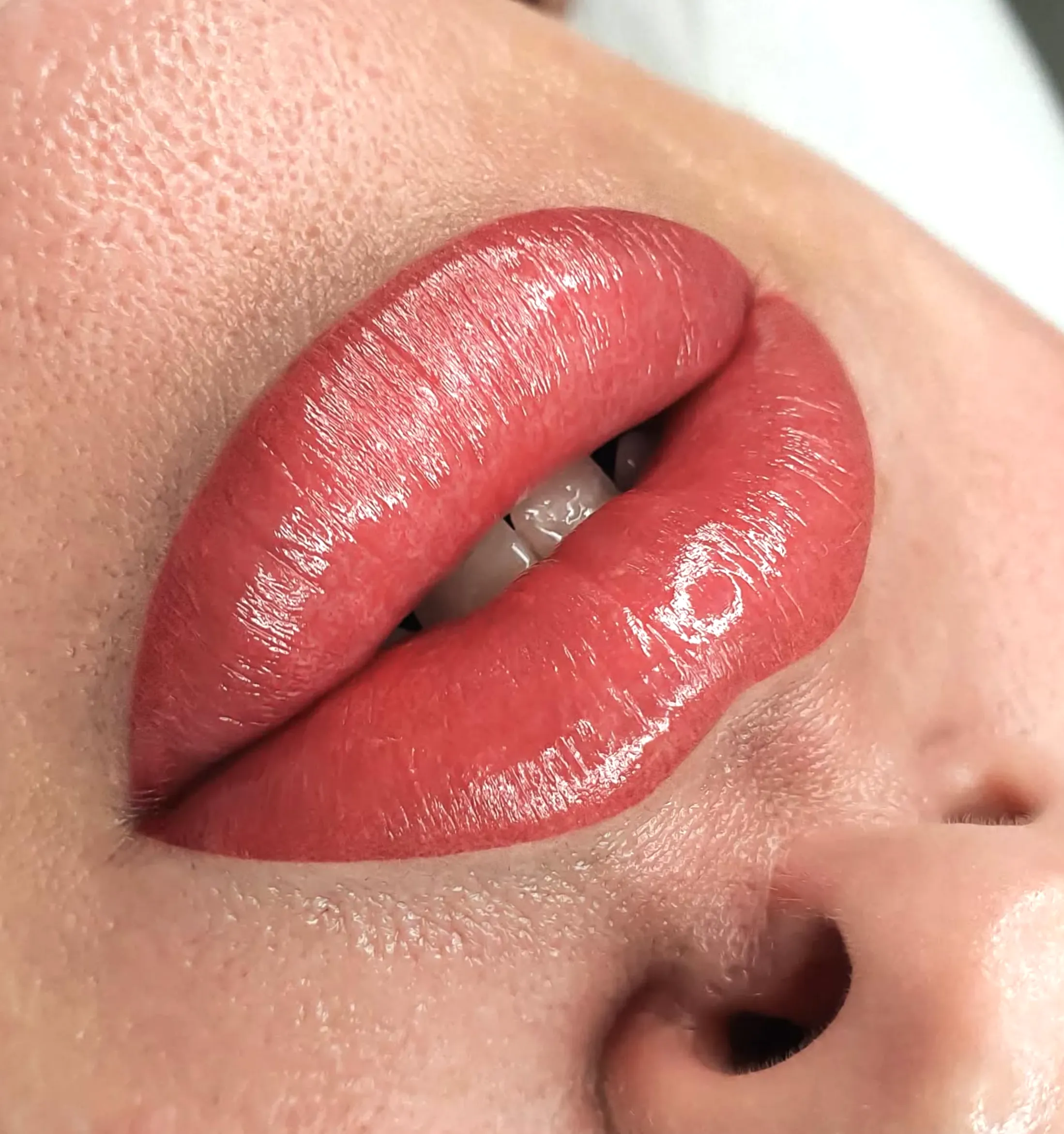
lip tattoo colour correction

Healing after a lip tattoo colour refresh follows a similar path to a full initial permanent makeup treatment. Here’s what to expect in your lip tattoo healing process:

WeekWhat You’ll Notice
1Lips will feel tight and tender, with some mild swelling and darkness. Flaking starts by day 3–4.
2Most flaking has finished. Lip colour will look lighter, possibly patchy. Keep applying lip balm.
3The colour “ghosting” phase begins. Lips may look very faint or like nothing happened. Don’t panic — this is normal.
4Pigment begins returning to the surface. You’ll start to see the real tone settle in.
6Time for your touch-up session! We refine shape, depth, and evenness as needed.

Do I Always Need a Second Session?

Mostly yes. Even for lip colour enhancement or colour add-ons, lips often need that second session to really lock in the pigment and fine-tune the result. The skin on the lips is thin and delicate and healing responses can vary depending on age, circulation, hydration, immune health and blood clotting.

Think of the first session as laying the foundation — the second is where we perfect the details and really sculpt the ideal lip shape.

How Much Does a Tattoo Colour Add-On Cost?
cosmetic tattoo layering
Treatment TypePrice Range
Light refresh (6–12 months)$250–$350
Medium refresh (12–24 months)$350–$450
Full colour correction (24+ months or cool tone fix)$550–$700

We’ll always give you an honest recommendation based on your lips. No upselling, no fluff. Just real advice from experienced permanent makeup artists.

Brisbane Skin Realities

Brisbane skin has its quirks — sun exposure, humidity and lifestyle all affect how tattoo ink and pigment colour ages. We see a lot of sun-damaged lips, uneven fading and changes in vascularity that affect how colour heals. That’s why local knowledge matters.

Our clients come to us for more than just pigment — they trust Cosmetic Tattoo Studio Brisbane Face Figurati for guidance, artistry and real results that honour their skin and goals.

Final Thoughts
Brisbane lip tattoo artist

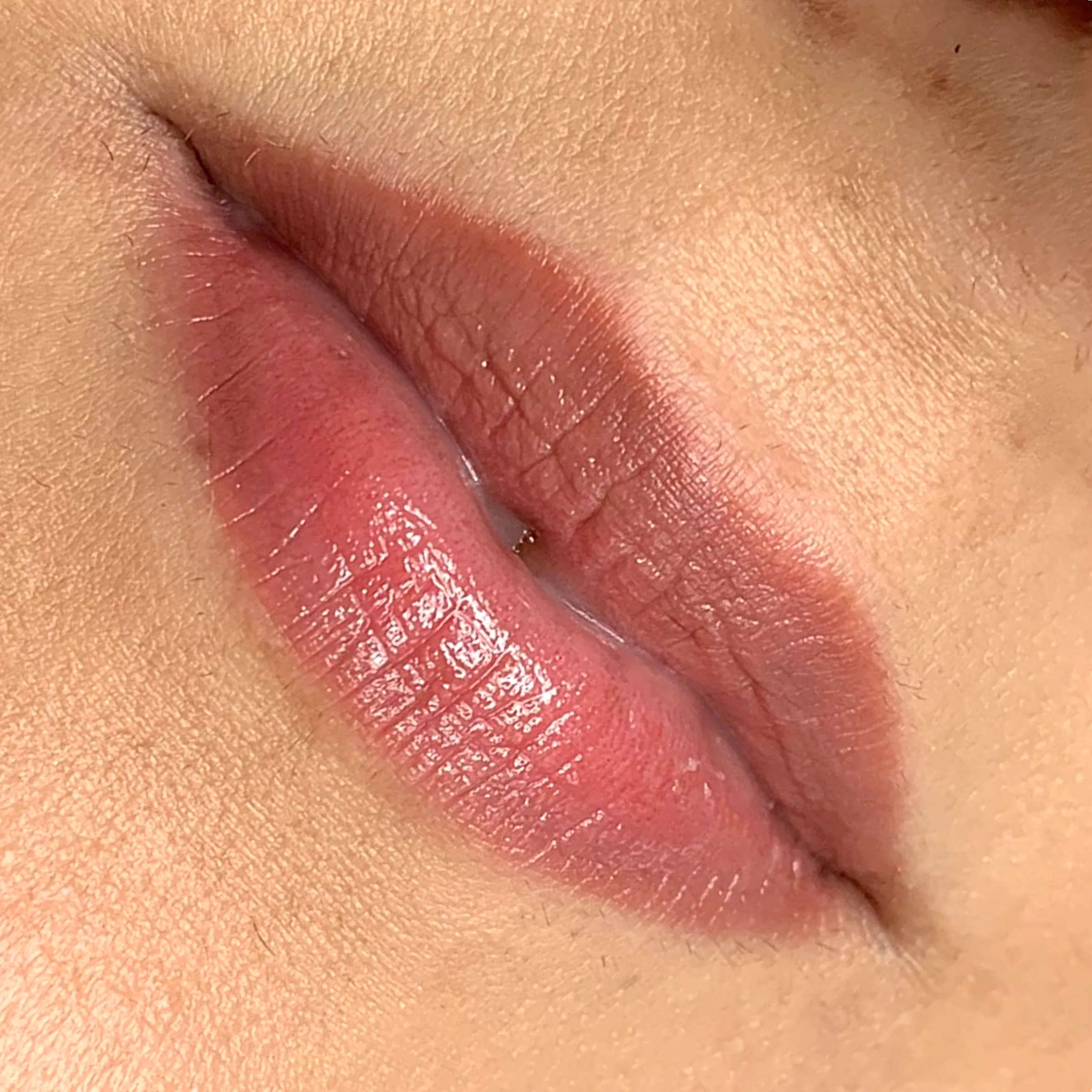
Adding colour to an existing lip tattoo is totally doable — and when done well, it can completely transform your look with lip colour enhancement or subtle lip contouring. But it takes experience, pigment science and a personalised plan.

Still unsure if your lips are a good candidate for lip blushing or cosmetic tattooing? Pop by the studio for a consult with Uliana or Anastasia. We’ll give you our honest take, no pressure attached. Let’s find out if lip blushing in Brisbane is the refresh your lips deserve.

FAQ

Can I go darker than my original lip tattoo?

Yes, but only if your current base isn’t too saturated. Otherwise, it can muddy the colour. We’ll assess your lips and determine the right pigment colour.

What if my old lip tattoo turned purple or grey?

That’s a common issue! We can usually neutralise cool tones with a warm colour corrector or a lip neutralisation approach before layering your new lip colour.

How long should I wait between lip tattoo sessions?

Usually 6-8 weeks between initial and perfecting sessions. If fading or dark lip neutralisation is needed beforehand, that’s a separate timeline.

Can I switch from a cool tone to a peachy nude?

Absolutely. That’s one of the most popular lipstick shade requests. But it may take more than one session to get that warm semi-permanent pigment to hold.

Is it more painful the second time around?

Not usually. Some clients say it’s easier because they know what to expect. Our numbing cream and pain-minimising protocol make the tattooing process very manageable.


Where to See Blue-Winged Kookaburras in Kakadu

Kakadu National Park, in Australia’s Northern Territory, is one of the most ecologically and culturally significant places on Earth. Home to an amazing array of wildlife, this UNESCO World Heritage site has endemic animals, waterways, and biodiversity like nowhere else in the world. Among the park’s most famous species is the Blue-Winged Kookaburra—a bird with vibrant plumage, sharp eyesight, and a unique call that echoes through monsoon forests, billabongs, and savannas.

If you’re heading to the Top End, Kakadu tours are a must for birders, nature photographers and wildlife enthusiasts.

Meet the Blue-Winged Kookaburra

Blue-Winged Kookaburra

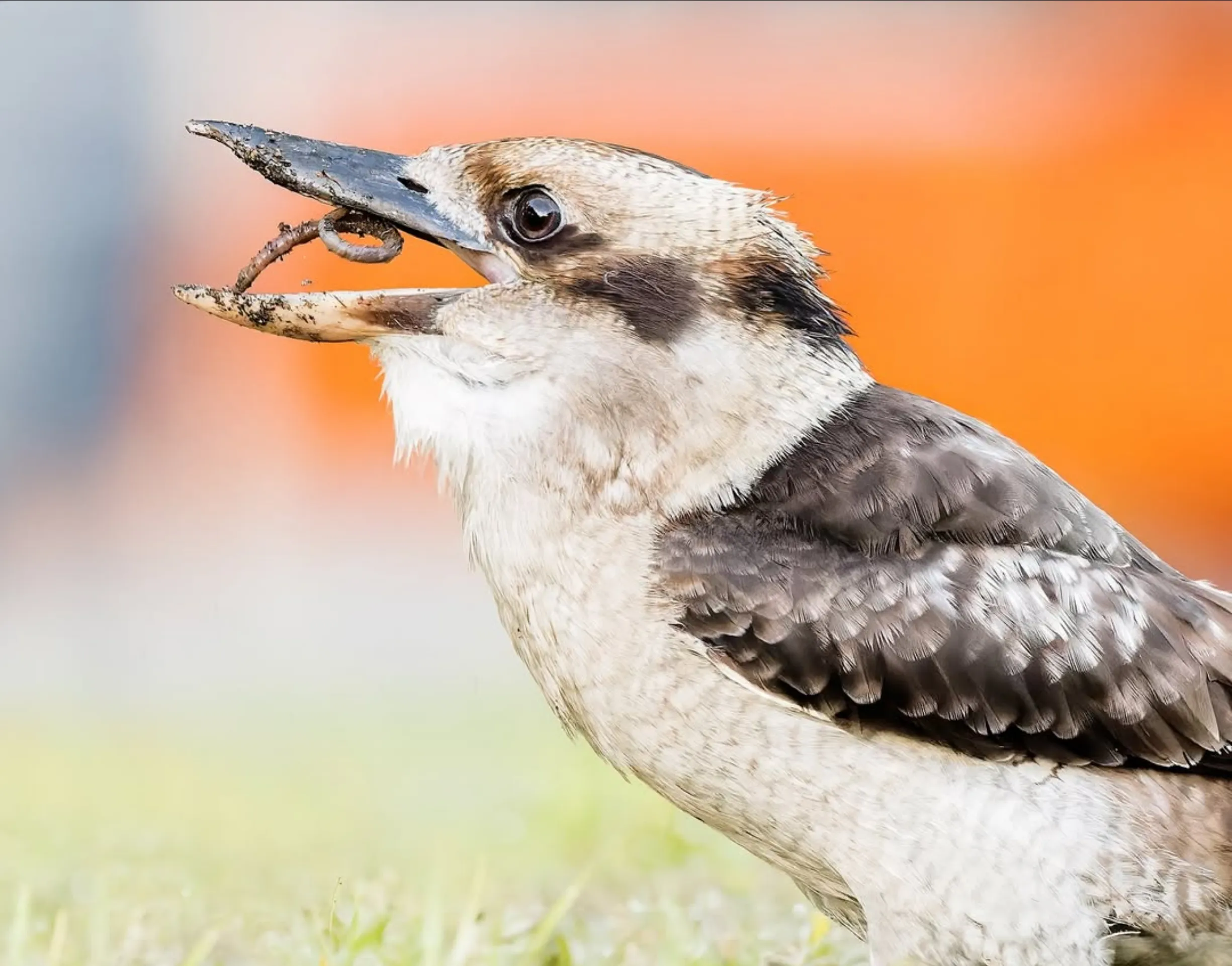
The Blue-Winged Kookaburra (Dacelo leachii) is a stunning member of the kingfisher family, found in northern Australia, including the vast wetlands, woodlands and shallow waters of Kakadu. This native species has a pale head, sharp beak and bold blue feathers on its wings and tail. Unlike its southern cousin, the Laughing Kookaburra, this one doesn’t laugh but is just as loud—often forming noisy colonies during the breeding season.

These clever hunters use their sharp eyesight to spot aquatic insects, small reptiles, frog species, and even arboreal lizards and sugar gliders. They play a vital role in the balance of life in Kakadu’s food chain as native predators and indicator species of habitat health. Kookaburras are often seen perched quietly near coastal waters, listening to the sounds of frogs beneath the dense canopy of Freshwater Mangroves or hunting in open savannas during the dry season.

Join one of the many Kakadu day tours, and you’ll have a good chance of spotting this bird in its natural habitat, especially with a local guide who knows its habits and importance in the ecosystem.

Kookaburras and Indigenous Culture

classification

For the traditional owners of Kakadu—the Bininj/Mungguy people—birds like the Blue-Winged Kookaburra have meaning. Aboriginal knowledge ties each animal to seasonal changes, ceremonial cycles, and cultural practices. While Western scientists record bird behaviour and classification, the Bininj/Mungguy understand these birds through generations of lived experience and storytelling across the Country.

Birds like the kookaburra are seen as a food source, spiritual guides and weather indicators, often heard calling before wet season rains. The bird’s behaviour plays a big part in helping people navigate the transition between the wet season, tropical summer and cold weather.

If you want to learn more, many Kakadu National Park tours include cultural components that explore these deep and ancient connections to the land and its creatures.

Where to Spot

deep waterholes

Blue-Winged Kookaburras are found throughout Kakadu’s different environments. You can see them at:

  • The Yellow Water Billabong, full of water plants, dragon lizards, water birds and even the elusive Azure Kingfisher
  • Around Jim Jim Falls, with its deep waterholes, native vegetation and amphibians
  • In the monsoon forests and network of walking trails throughout Arnhem Land and southern Kakadu
  • Near campsites and boat cruise points like Cooinda Lodge, where bird species like the Forest Kingfisher, Black Cockatoo, Peaceful dove and imperial pigeon also live

Look out for them in the early morning or late afternoon when birds come out of the shade to hunt and clouds of insects fill the air.

If you’re on a Darwin to Kakadu day trip, these sites are included in well-planned itineraries that combine wildlife viewing with scenic and cultural highlights.

Best Time to See

beautiful birds

Dry Season (May to October) is the best time to see Blue-Winged Kookaburras and a wide variety of beautiful birds. With clearer trails and less rain, this is also the time when other species are more active, including the Black-Necked Stork, the Gouldian Finch (Australia’s brightest finch species) and even larger animals like Antilopine Wallaroo and black wallaroo.

Visitors from Darwin often do day trips from Darwin to Kakadu, which are especially popular during the dry season. These are a great way to see Kakadu’s birdlife without having to stay overnight.

But the wet season (November to April) brings the breeding season and the green landscape. This is when migratory species arrive, frog species are more visible, and bird activity is higher near waterways and shallow waters—although travel can be limited due to flooding.

bird experts

For serious birders, Kakadu Bird Week (usually held in the dry season) is the event where bird experts, tour guides and researchers get together to see, study and celebrate Kakadu’s bird diversity.

FAQ

What makes the Blue-Winged Kookaburra unique among Australian species?

It’s one of the most distinctive bird species in the Australian outback, known for its blue plumage, tropical range and noisy colonies. It doesn’t laugh like the Laughing Kookaburra and is common in northern habitats like the Kakadu National Park.

Can I see the Blue-Winged kookaburra during the wet season?

Yes, but access may be limited. The wet season brings wet season rains, flooding and monsoon rains, which trigger their breeding season and bird activity. But travel conditions can be tough due to habitat loss from flooding.

Are there other bird species to look for in Kakadu?

Yes! Kakadu has over 280 bird species, including Rainbow Bee-eater, Azure Kingfisher, Black Cockatoo, Gouldian Finch and Chestnut-quilled rock pigeons. Join a birds of prey cruise or guided tour to learn more.

What are the threats to Blue-Winged Kookaburras in Kakadu?

Like other native predators, they face pressure from invasive species like the cane toad invasion. Conservation efforts include introducing cane toad sausages (a baiting technique) and protecting native flora and aquatic species that are part of the food chain.

How do I book a day trip from Darwin to see birds in Kakadu?

Many tour companies offer Darwin to Kakadu day trips that include guided wildlife tours, birdwatching cruises and cultural experiences. These Kakadu National Park tours are perfect for those with limited time who want to see Kakadu’s birdlife and landscapes.

Best Time to Hike the Larapinta Trail | Optimal Trekking Months

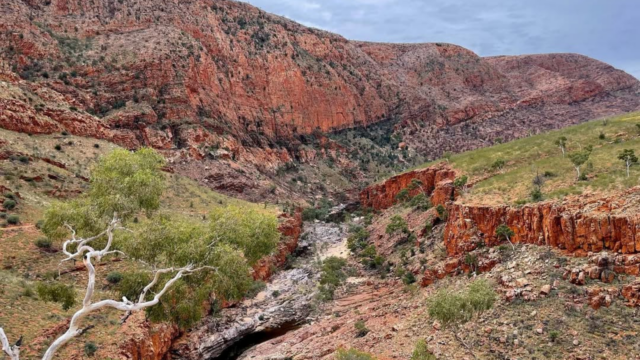
The Larapinta Trail is one of Australia’s most iconic desert treks, 223km from Alice Springs Telegraph Station to Redbank Gorge in the Northern Territory. This epic hiking trail has amazing views, fascinating geology and pristine desert scenery, it’s a must-do for fit hikers and independent travellers.

But when is the best time to hike the Larapinta Trail? Understanding the walking conditions, daily temperatures and seasonal variations is key to a safe and enjoyable trek.

Best Time to Hike the Larapinta Trail

night temperatures

The best time to trek is during the cooler months of April to September when daytime temperatures are mild and night temperatures are cold but manageable.

1. April – May

(Shoulder Months – Green Landscapes & Pleasant Temperatures)

wet season

Pros:

  • Pleasant temperatures (15°C–30°C) with a cool breeze in the mornings.
  • Recent rains from the wet season have made the landscape greener.
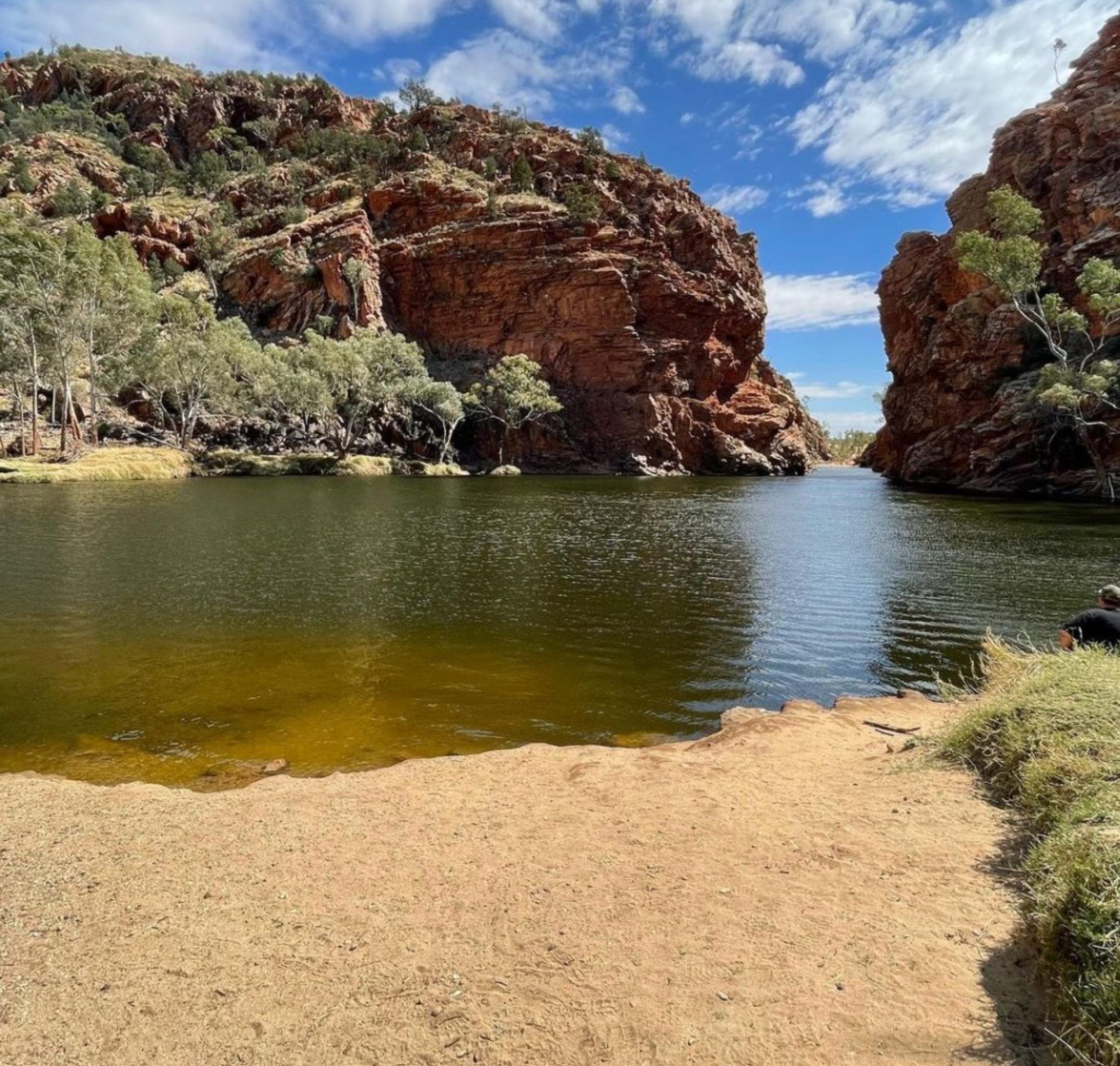
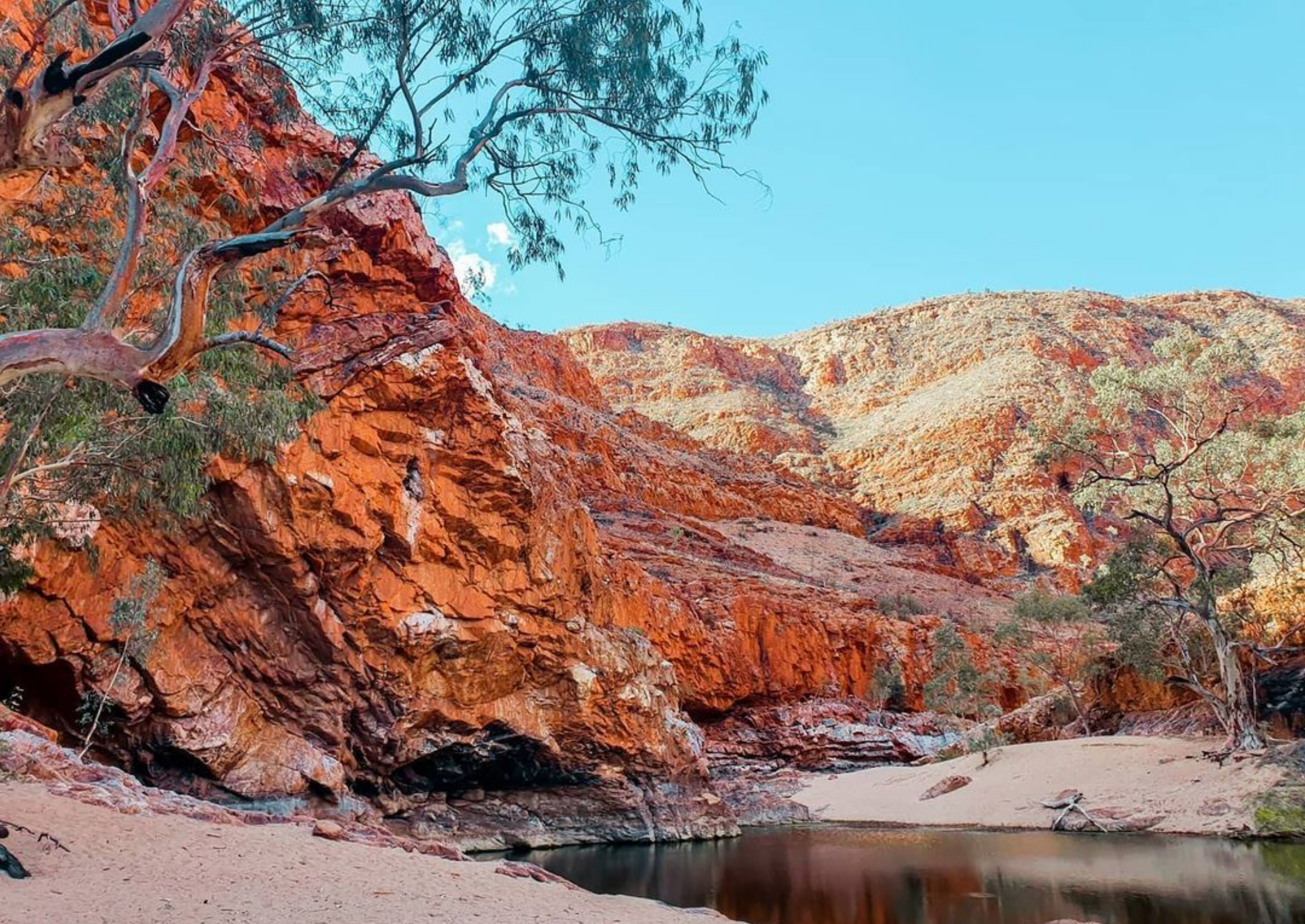
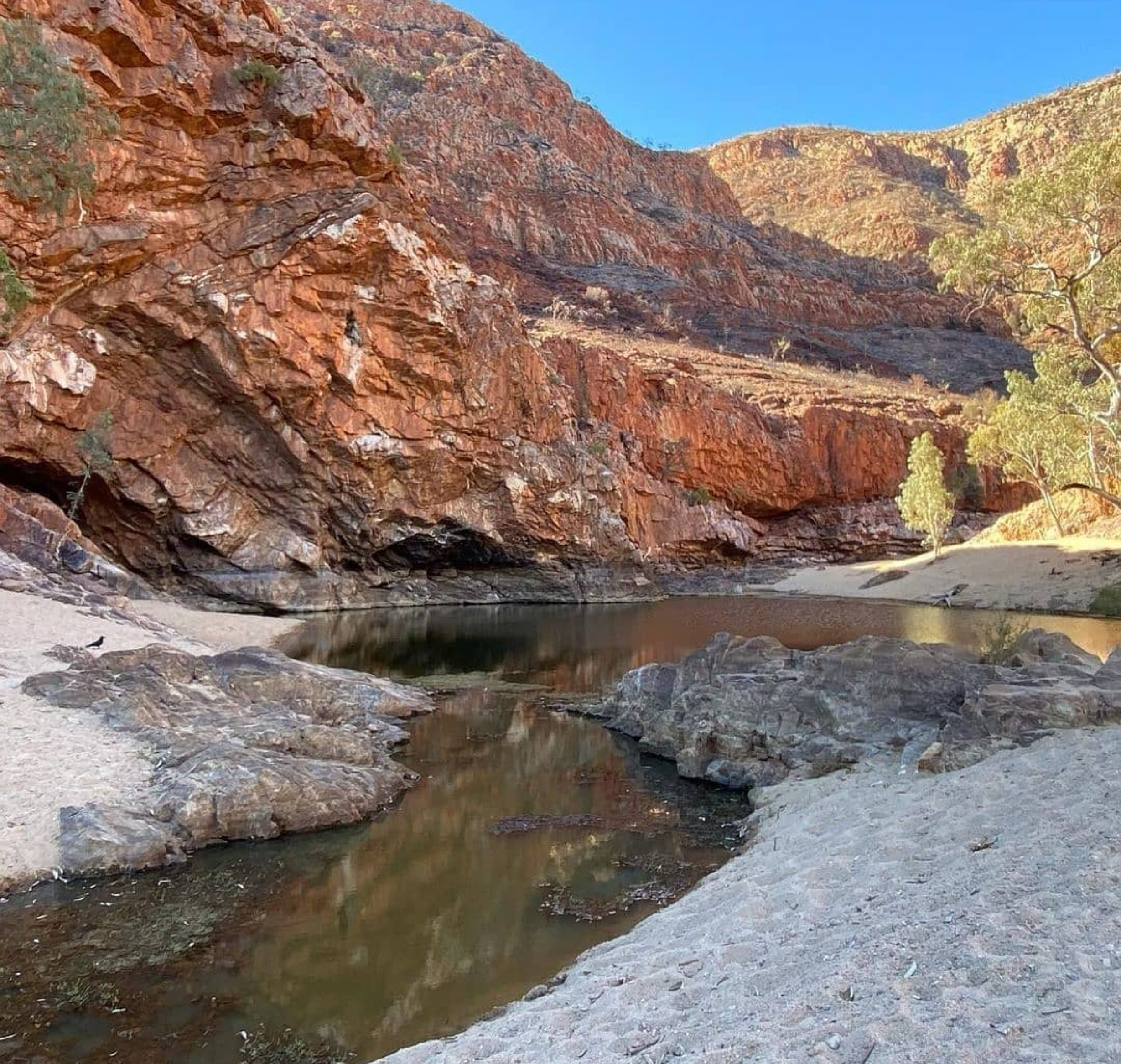
  • Water sources like Ellery Creek, Ormiston Gorge and Serpentine Gorge are more reliable.

Cons:

  • Creek beds may still be muddy from the wet season.
  • Night temperatures can be cold, so must-do you’ll need proper camping gear.

2. June – August

(Peak Season – Prime Trekking Conditions & Mild Temperatures)

fellow hikers

Pros:

  • Peak season, best trekking conditions.
  • Mild temperatures (10°C – 25°C).
  • Stunning sunrises over Euro Ridge, Razorback Ridge and Ghost Gum Flat.
  • Good for like-minded travellers who want to share the experience with fellow hikers.

Cons:

  • On cold nights, temperatures can drop to 0°C.
  • Campsites like Serpentine Chalet Dam and Millers Flat can be busy, so like-minded book in advance.

3. August – September

(Late Shoulder Months – Fewer Hikers & Warmer Days)

Pros:

  • Quiet between walks.
  • Wildflowers like Mulla Mulla in Alice Valley and Fringe Lily Creek.
  • Easier access to trail heads at Simpsons Gap and Glen Helen Gorge.

Cons:

  • Daytime temps over 30°C.
  • Water tanks and water sources drying up.

4. October – March (Off-Season – Hot & Dry)

Not Recommended:

  • Daily temps over 40°C.
  • Limited access to water = risk of heat exhaustion.
  • No phone reception.
  • Most Larapinta Trail Transport services not operating.

Important Information for Hiking the Larapinta Trail

1. Water & Food Planning

official campsites
  • Always carry at least 3-4 litres of water per day.
  • Refill at water tanks at official campsites like Jay Creek, Rocky Gully, and Hugh Gorge.
  • Consider food drop locations using Larapinta Food Drops or a food drop service for resupply.

2. Fitness Level & Trail Difficulty

  • Larapinta Trail Trek Support recommends independent hikers have a moderate to high fitness level.
  • Expect plenty of rock hopping on sections like Inarlanga Pass and Rocky Bar Gap.
  • Some sections are grade 3 – moderate walks, others are difficult trails with steep climbs.

3. Must Have Items

  • Trail runners or hiking boots for rocky ground.
  • Sat phone for emergencies.
  • Camping gear, including a drop toilet kit for remote areas.
  • Food dehydrator or dehydrated meals to budget your food.
  • Time to rest and acclimatise.

4. Accommodation & Camping Fees

  • Accommodation in Alice Springs from hostels to luxury lodges.
  • Extended walk fees at Serpentine Chalet, Ellery Creek Big Hole and Chalet Dam.
  • Cheap supermarket.

Final Thoughts

The best hiking season is April to August—cooler months with epic views, prime trekking conditions, and pleasant temperatures. Whether you’re an independent traveler looking for a couple of days on the trail or joining an all-inclusive Larapinta Trail Tour with expert guidance, plan ahead for a safe and rewarding journey.

fascinating geology

Ready for an amazing ridgeline adventure in Australian geology? Book your Larapinta Trail tours now! For guided Australian outback tours in this region, an Australian Outback tour offers the best all-inclusive value trips, allowing you to experience the incredible views and fascinating geology of the Red Centre with expert guidance.

FAQ

How long does it take to hike the entire Larapinta Trail?

The full Larapinta Trail is 223 km and takes 12 to 16 days to complete depending on your fitness level and pace. Many hikers choose to section hike for a couple of days.

Is there water along the Larapinta Trail?

Yes, there are water tanks at official campsites like Ellery Creek Big Hole, Serpentine Chalet Dam and Rocky Bar Gap. But always carry at least 3-4 litres of water per day as some water sources may dry up in warmer months.

How difficult is the Larapinta Trail?

The Larapinta Trail has a mix of grade 3 – moderate walks and difficult trails with steep ascents like Inarlanga Pass, Razorback Ridge and Euro Ridge. Hikers should have a moderate to high level of fitness and be prepared for plenty of rock hopping.

What is the best time of year to hike the Larapinta Trail?

The best, hiking season is April to August, cooler months with daytime temperatures mild and night temperatures cool. Avoid October to March as daily temperatures can reach 40°C.

Do I need to book campsites?

Yes, book ahead, the best, especially during peak season (June – August). Some campsites like Serpentine Chalet, Hugh Gorge and Ghost Gum Flat charge camping fees. If you’re using food drops or a food drop service plan your food drop locations.

Adventurous and Hands-on Activities in Red Centre

The Red Centre is a land of dramatic landscapes, raw beauty and deep history. In the heart of Australia, this massive region is home to some of the country’s most famous natural icons, Uluru, Kata Tjuta and Kings Canyon. For the adventurous and those who want to get up close and personal, the Red Centre has a range of action-packed and hands-on activities to connect with the land, the people and the history.

Uluru (Ayers Rock)

See the Wonders

From the landscapes to the desert, the Red Centre is full of exploration opportunities. Whether you’re walking through ancient landscapes, camping under the stars or looking for 2 day Uluru tour , this wild place will deliver an experience like no other. With some planning, including knowing when to travel and where to stay, you can make the most of your trip through this amazing region.

Kings Canyon

1. Kings Canyon Rim Walk

One of the best hikes in the Red Centre, the Kings Canyon Rim Walk is a must-do for the adventurous. The 6km loop takes you along the rim of the canyon, with stunning views of the landscape below. The initial steep climb, known as “Heart Attack Hill” is worth it, for the unique rock formations of the Lost City and the Garden of Eden waterhole. Walking time varies so be sure to carry litres of water in refillable water bottles. The views from the canyon floor and rim are some of the most spectacular in the Australian outback.

2. Camel Ride Across the Desert

Riding a camel across the desert is an experience like no other in the Red Centre. Camel tours offer a different perspective on the landscape, especially at sunrise or sunset when the colours of the desert are most vivid. Learn about the history of camels in Australia and how these tough animals helped shape the outback. Many Uluru tours from Alice Springs include camel riding as an optional activity so it’s a great addition to a combo trip.

3. Hot Air Balloon Over Alice Springs

For the ultimate adventure take to the skies in a hot air balloon. Floating over the desert near Alice Springs at sunrise is peaceful and exhilarating. From above you can see the colours of the outback change, spot native wildlife like kangaroos and take in the views of the Red Centre’s landscape. Booking time is key as sunrise flights are limited. This is an experience you will never forget with stunning outback scenery and views from above.

4. Quad Bike an Outback Cattle Station

If you’re an adrenaline junkie get on a quad bike and experience the outback. Guided Uluru Tours 3 days will have you riding over dirt tracks, through creek beds and encountering wildlife along the way. It’s a fun and hands-on way to see the vast untouched wilderness of the area. Check trip prices as some tours have additional costs for quad biking.

Kata Tjuta (The Olgas)

5. Aboriginal Culture Bush Tucker Tour

Get an Indigenous cultural experience of the Red Centre by joining a bush tucker tour. Led by Aboriginal guides these tours will introduce you to traditional hunting and gathering techniques, bush medicine and the stories of the land. Tasting native ingredients like witchetty grubs, bush plums and kangaroo meat is an adventurous culinary experience. Many Uluru tours include cultural sites and guided experiences to get a deeper understanding of the land.

6. Stargazing

With no light pollution the Red Centre is one of the best places in Australia to see the stars. Guided Uluru Tour will educate you on Indigenous star stories and point out celestial wonders like the Southern Cross, the Milky Way and distant planets. Bring a day pack with warm clothing as nights in the desert can be cold.

7. Helicopter Flight over Uluru and Kata Tjuta

For a bird’s eye view of the Red Centre’s most famous landmarks a helicopter flight over Uluru and Kata Tjuta is an adrenalin rush. From the air you can see the vastness of the ancient landscapes and these massive rock formations in all their glory. It’s a great way to get some amazing photos and see the region from a different perspective.

8. 4WD MacDonnell Ranges

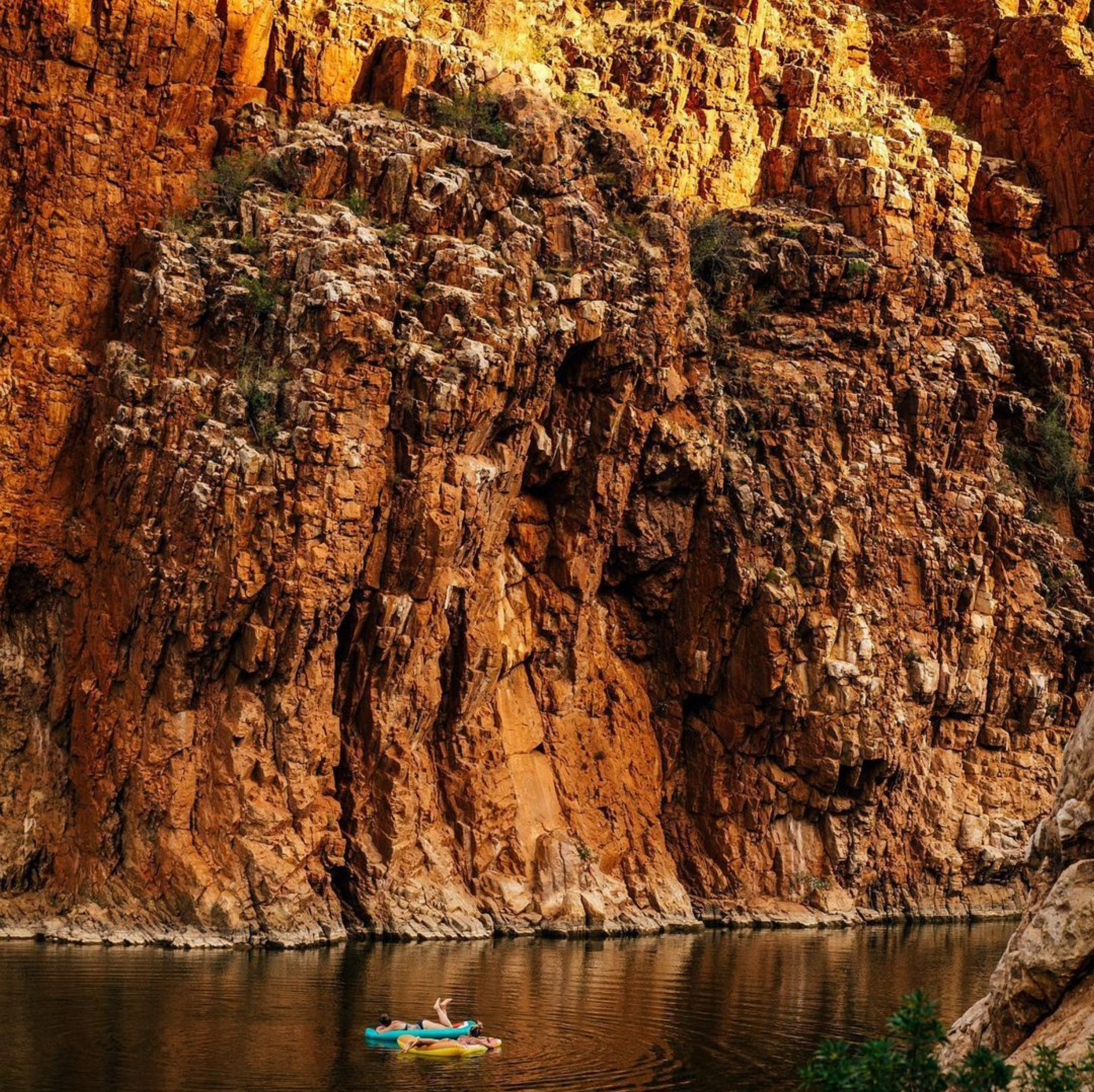
The MacDonnell Ranges, East and West, have spectacular outback scenery, gorges and remote swimming holes. A 4WD adventure will take you to places like Ormiston Gorge, Standley Chasm and Ellery Creek Big Hole where you can swim in pristine waterholes surrounded by towering rock walls. Driving time varies depending on the location so plan ahead. Many centre adventure packages offer guided 4WD trips.

MacDonnell Ranges

9. Sandboard the Simpson Desert Dunes

For a unique and adrenalin-pumping experience, try sandboarding down the massive red dunes of the Simpson Desert. This is for those who love adventure sports and want to experience the Red Centre in a fun and interactive way. Many activity providers offer sandboarding as an optional activity with comfortable accommodation included in adventure packages.

10. Rock Climbing or Abseiling

If you’re into rock climbing the Red Centre has plenty of options. Guided rock climbing and abseiling experiences let you climb the region’s sandstone formations and cliffs and get a physical and visual workout.

Nearby Attractions

If you’re in the Red Centre add Kata Tjuta, Alice Springs or West MacDonnell National Park to your itinerary. More amazing sites and outback scenery.

Finke Gorge National Park

Book Your Adventure

Booking for adventure tours, combination trips and domestic flights is available. Accommodation options range from budget camping to comfortable accommodation, depending on the trip price. Some activities incur an extra cost, and optional activities can be added at the time of booking. One of the region’s top tour operators is Wayoutback Tours, who offer immersive and adventurous experiences.

The Red Centre is a destination that has adventure, culture and amazing sites. Whether you want heart-pounding experiences or meaningful connections with Indigenous heritage, this region has something for every traveller looking to connect with Australia’s big landscapes.

FAQ

When is the best time for adventure activities?

April to October is the cooler time to visit for outdoor activities. Summer can be very hot, and some activities like hiking can be challenging.

Do I need to book adventure activities in advance?

Yes, book in advance, especially for popular activities like hot air ballooning, helicopter flights, and guided tours. Some activities have limited availability, especially during peak season.

Are adventure activities suitable for all fitness levels?

Many activities like camel rides and stargazing are suitable for most people, while others like rock climbing and multi-day hikes require a higher level of fitness. Check the difficulty level before booking.

What should I pack for adventure travel in the Red Centre?

Essentials are sturdy walking shoes, sun protection (hat, sunscreen, sunglasses), refillable water bottles, breathable clothing, and a warm jacket for cooler nights. If doing multi-day trips, camping gear may be required.

Are guided tours available for cultural experiences?

Yes, many tours offer Indigenous cultural experiences, including bush tucker tours and storytelling sessions. These are led by Aboriginal guides who share their knowledge of the land, history, and traditions.

How to Choose the Right Cosmetic Tattoo Technician

Cosmetic tattooing is a semi permanent beauty treatment that enhances your natural features, gives definition and confidence. Whether you’re looking at eyebrow tattooing, lip blush tattoo or eyeliner tattoos, choosing the right technician is key to safe, long lasting results and healing. The right cosmetic tattoo artist will consider your facial features, skin type and lifestyle habits to create a customised, natural looking result. In cities like Brisbane, cosmetic tattooing in Brisbane is becoming popular, so it’s essential to choose a reputable artist. Here’s a comprehensive guide to help you make an informed decision when choosing your cosmetic tattoo artist.

permanent makeup

Check Their Qualifications and Certifications

Not all technicians are created equal. Look for a qualified technician who has been trained by a reputable institution. Make sure they have up to date certifications in cosmetic tattooing procedures, aftercare instructions and hygiene practices. Many experienced technicians will display their credentials in their studio or on their website.

Look at Their Portfolio

A good technician should have a portfolio of their work, either on their website, social media or in their cosmetic tattoo clinic. Check before and after photos to assess their skill level, consistency and whether their style matches what you want for your eyebrow tattoo, lip blush tattoo or eyeliner tattoo. Pay attention to healed results, not just fresh work as this shows the true quality of their feathering technique and tattoo process.

Read Reviews and Testimonials

Client reviews can give you great insight into the technician’s professionalism, skill and customer service. Look on platforms like Google, Yelp or social media. Pay attention to comments about discomfort, healing process, pigment loss and overall satisfaction. Since healing varies from person to person, reviews can also show how well the technician advises on proper healing.

Follow Hygiene and Safety Standards

Safety should be your top priority when choosing a cosmetic tattoo artist. Make sure they work in a clean, licensed facility and follow strict hygiene protocols, including using disposable needles, sterilized tattoo machines and wearing gloves to prevent cross contamination. Infection control is key to avoid complications like allergic reactions, skin sensitivities or risk of infection.

melbourne cosmetic tattoo

Book a Consultation

A good technician should offer a consultation before the procedure. This is an opportunity to chat about your expectations, ask questions and assess their knowledge and professionalism. They should be able to explain the procedure, risks, aftercare and healing time. You should also discuss your brow shape, eye shape or lip color tattoos to make sure they match your facial features.

Ask About Their Experience and Specialization

Experience counts in cosmetic tattooing. Ask how long they’ve been in the beauty industry and if they specialize in a particular area, like feather-stroke tattoo, brow tattooing, or lip blush tattoo. An artist with years of experience will likely have refined techniques and in-depth knowledge of different skin types, facial aesthetics and pigment retention. Dry skin types, oily skin and sensitive skin impact healing and should be considered.

Discuss Pigment Quality and Techniques Used

High quality pigments are key to long lasting natural looking results. Ask about the brands they use and if they are hypoallergenic and safe for all skin types. Also ask about the techniques they use and if they customize treatments based on your skin tone, lifestyle habits and daily makeup routine. A reputable artist will give you clear info on pigment color, pigment loss and aftercare instructions for optimal healing.

Understand Pricing and What’s Included

Don’t go for the cheapest option, quality should be your priority. Very low prices might mean lack of experience or low quality materials. Ask for a breakdown of costs, initial costs, touch up session fees and additional costs. Make sure there are no hidden fees for follow up appointments or pigment loss correction. Many technicians require a 4-6 week review appointment for touch up appointments to ensure proper healing and long lasting results.

Assess Their Communication and Customer Service

A good technician should be approachable, knowledgeable and willing to answer all your questions. If they rush through your consultation or seem unwilling to give you clear answers it might be a red flag. Trust and comfort is key when undergoing any semi-permanent makeup procedure. Your technician should discuss aftercare ointment use, excess lymph fluid care and critical factors that impact the healing process.

permanent makeup melbourne

Look for Before-and-Aftercare Support

Aftercare is key to proper healing and longevity of your cosmetic tattoo. Make sure your technician gives you detailed aftercare instructions and is available to answer any questions after the procedure. A reputable technician will offer follow up appointments to check on healing, provide touch up appointments and ensure the best possible beauty enhancement results. They should also give you guidance on how to avoid excessive sweating, chemical peels, glycolic acid and Blood Thinners that can impact the healing process.

Consider Their Use of Technology and Tools

A good technician will use high quality tools, like a tattoo machine for exact results. Different techniques, like traditional tattooing, combination techniques or feathering technique will affect the outcome. The type of tattoo will determine longevity and frequency of touch ups.

Skin Conditions and Medical Concerns

A reputable artist should ask about any medical conditions, skin conditions or previous allergic reactions before proceeding with the procedure. If you have dry skin, sensitive skin or skin tightening treatments these will affect how the tattoo heals. Skin conditions like cold sores should be discussed before hand to prevent complications with lip tattoos.

makeup tattoo

Final Thoughts

Don’t rush into choosing the right cosmetic tattoo technician. Do your research, ask the right questions and trust your instincts. By choosing an experienced technician, skilled artist and reputable technician you can have beautiful, long lasting brows, enhanced natural beauty and seamless beauty regimen. Whether you want fuller brows, perfect eyeliner or lip blush tattoo a professional artist will guide you through the consultation process and make you feel comfortable and look stunning.

Proper aftercare like using a clean cotton swab or damp cotton pad will also ensure optimal healing and beautiful long lasting results.

If your not happy with your results you can options like Laser tattoo removal or eyebrow tattoo removal to correct or fade previous work. With regular touch ups and the right professional artist you can achieve the perfect brow shape, natural brow hair look and permanent makeup enhancements to your style.

Frequently Asked Questions

How long does cosmetic tattooing last?

Cosmetic tattooing can last from 1 to 5 years depending on skin type, pigment quality and aftercare. Touch ups will maintain the results.

Is cosmetic tattooing painful?

Level of discomfort varies from person to person. Most technicians use numbing creams to minimize moderate discomfort during the procedure.

Can I remove or correct a cosmetic tattoo?

Yes, options like Laser tattoo removal or eyebrow tattoo removal are available if you want to fade or correct a previous cosmetic tattoo.

What is the healing process like?

Healing process takes 4-6 weeks. During this time you may experience scabbing, flaking and slight pigment fading before the final results appear.

Who should avoid cosmetic tattooing?

Individuals with certain medical conditions, pregnant women, and those taking Blood Thinners should consult a professional before undergoing a cosmetic tattooing procedure.

What are the downsides of eyebrow tattoo?

Eyebrow tattoo is a cosmetic procedure that solves sparse brows and eyebrow hair loss. While it can last long, like many beauty treatments, it has risks. If you’re thinking of getting your eyebrows tattooed, you should know the downsides before you commit. Below we explore the cons of eyebrow tattooing and what to keep in mind before you get this semi-permanent procedure.

1. Fading and Discoloration Over Time

Unlike normal tattoos, tattoo eyebrows fade over time due to sun exposure, skin type and external factors like chemical peels or topical treatments. Here are some common changes:

  • Tattoo ink turns bluish or grayish due to oxidation
  • Reddish or orange undertones caused by pigment breakdown
  • Uneven fading that results to botched eyebrow tattoos

If you have Oily skin, pigment retention can be unpredictable and fading can be quicker. High quality pigments and proper techniques can minimize this but follow up appointments for touch ups are still necessary.

brow tattoo near me

2. Results May Not Be For Everyone

Although eyebrow tattooing is a semi permanent procedure, it still involves foreign substances in the skin. If you don’t like your brow shape after the initial procedure, treatment options like laser treatments or tattoo removal can be painful, expensive and requires multiple sessions.

Also, hair growth and skin conditions can affect the longevity and appearance of your tattooed eyebrows. Those undergoing Cancer treatment may experience changes in eyebrow hairs that can affect how the pigment settles.

3. Risk of Unnatural Look

Choosing an inexperienced artist can result to bad brows that don’t match your facial features. Common mistakes are:

  • Blocky, harsh or unnatural brow shapes
  • Dark brows that doesn’t suit your complexion
  • Feather touch brows that fades unevenly

To avoid bad eyebrow tattoos, you should visit a skilled cosmetic tattoo artist who understands natural brow aesthetics and facial symmetry.

eye brow tattoo

4. Adverse Reactions and Risk of Infection

Some people are allergic to Black ink, titanium dioxide or other pigment nanoparticles used in cosmetic tattoos. Those with sensitive skin should do a patch test before the tattooing process.

Also, poor hygiene during the eyebrow tattooing can lead to infection. Signs of complications are:

  • Swelling, redness, pus
  • Prolonged irritation or itching
  • Scarring

To prevent this, make sure your brow stylist follows strict aftercare instructions and uses sterilized tools.

5. Pain and Healing Time

Although numbing cream or topical anaesthetic is used, some discomfort is still felt during the cosmetic tattooing. Healing time is 1-3 years with touch-ups, but skin is fully healed in a few weeks.

During the aftercare period, you may experience:

  • Scabbing and flaking
  • Swelling and redness
  • Itchy dry skin

Applying antibiotic ointment with a cotton swab helps, but avoid excessive sweating, direct sun exposure and glycolic acids in skincare products for flawless brows.

Although topical anaesthetic and numbing cream is used, some people feel pain or discomfort during and after the procedure. Level of pain varies depending on personal tolerance, the artist’s technique and if you have sensitive skin. Some clients who have had an eyelash tattoo reported similar discomfort during their procedure.

eyebrow feathering near me

6. Trends Change

Beauty industry is always changing and bushy brows or arched brows may not always be in style. Unlike brow pens or eyebrow pencils, permanent makeup don’t allow daily changes, so hard to adjust to new beauty trends.

If you want a flexible look, brow products like brow pencils, brow pens or brow stylists might be a better option.

7. Maintenance Cost

Average cost of eyebrow tattooing depends on location and expertise, but aside from the initial cost, you need to consider:

  • Follow-up appointments for touch-ups
  • Medical interventions if complications arise
  • Laser therapy if removal is needed

Permanent makeup artists can give you flawless brows, but think long term costs before you commit.

eyebrow tattooing melbourne

Final Thoughts

Eyebrow tattooing can be a great way to get long lasting brows but it’s important to consider the risks before committing to the process. Researching skilled and experienced brow artists, following proper techniques and setting realistic expectations can help minimize risks and get the best results.

If you’re thinking of getting eyebrow tattooing make sure to consult with a reputable permanent makeup artist who can give you personalized advice based on your skin type, lifestyle and aesthetic goals. Understanding the difference between microblading and other forms of cosmetic tattooing such as feather touch brows or arched brows can also help you make an informed decision.

With the right knowledge and preparation cosmetic tattooing can be a beauty trend but only when done correctly by a professional in the permanent makeup industry.

FAQ

How long does an eyebrow tattoo last?

Eyebrow tattoos last 1-3 years depending on skin type, lifestyle and sun exposure. Touch ups can help maintain the desired look.

Is eyebrow tattooing painful?

It can be a bit uncomfortable but a numbing cream or topical anaesthetic is usually applied to minimize pain. Pain tolerance varies from person to person.

Can eyebrow tattoos be removed?

Yes, eyebrow tattoos can be removed with laser treatments, chemical peels or other removal methods. But it can be costly and may require multiple sessions.

What is the difference between eyebrow tattooing and microblading?

Microblading is a semi permanent technique that creates hair like strokes for a natural look while eyebrow tattooing deposits pigment deeper into the skin for a more defined and long lasting effect.

Are there any risks involved with eyebrow tattooing?

Yes, risks include infection, allergic reactions, scarring, fading and unwanted color changes. Make sure a skilled and experienced cosmetic tattoo artist does the procedure to minimize the risks.

SEO Title:

Meta Description:

Is Tattoo Removal Worth It? Costs, Methods & Effectiveness

Tattoos have been a form of self expression for years but what happens when you no longer vibe with the ink on your skin? Whether it’s a change of heart, a career change or a bad tattoo, many people consider tattoo removal. But is it worth it? Let’s break it down.

The Results

cost tattoo removal

Modern tattoo removal techniques like laser tattoo removal have made it possible to fade or remove unwanted tattoos. But tattoo removal is not instant. It takes multiple laser tattoo removal sessions, weeks apart to break down the tattoo pigment in your skin. Results depend on:

  • Tattoo Size & Color: Black tattoos are easiest to remove, colorful tattoos especially blue and green ones are harder to remove due to their position in the color spectrum.
  • Skin Type & Skin Tone: Lighter skin tones see faster results but laser tattoo removal works on all skin types.
  • Ink Depth & Quality: Professional tattoos are deeper in the skin and require more sessions for effective removal.
  • Technology Used: Advanced laser tattoo removal technology like PicoSure or Q-switched lasers makes removal more effective by breaking down tattoo ink better.
  • Method of Tattoo Removal: Methods of tattoo removal are laser removal, surgical removal, excision tattoo removal, saline tattoo removal depending on the tattooed skin and tattoo color.

The Science Behind

laser tattoo removal in melbourne

Laser tattoo removal works by using pulses of light to break down the particles of pigment in the tattoo ink. The laser pulses target the tattoo pigment without affecting the surrounding skin pigment. White blood cells then carry away the broken down tattoo ink and the body naturally fades the tattoo over time. The type of laser used plays a big role on how different tattoo colors can be removed.

Tattoo removal specialists take into account skin color, tattoo color and tattoo pigment density to customize a treatment plan. This ensures the laser tattoo removal treatment is as effective as possible with minimal risk of skin irritation, hyperpigmentation or uneven skin tone.

Pain & Side Effects

permanent tattoo removal

Tattoo removal is like getting a tattoo but the sensation can be different. Many describe it as a snapping or stinging feeling like a rubber band. Some clinics offer numbing creams or numbing agents to minimize discomfort.

  • Redness and swelling
  • Blisters or scabs
  • Temporary skin discoloration or uneven skin tone
  • Skin irritation and scarring (rare with modern technology)
  • Allergic reaction to broken down tattoo ink with heavy metals
  • Anallergic reaction in sensitive skin

Cost

tattoo removal melbourne cbd

Tattoo removal isn’t cheap. Depending on the removal method, size, tattoo color and location of the tattooed skin, each session can cost between $100-$500. Most tattoos require multiple sessions. You need to weigh the financial commitment, including payment options, against the benefits of removing an unwanted tattoo.

Factors that affect the cost:

tattoo removal treatments melbourne
  • Tattoo Size – Larger tattoos require more sessions.
  • Tattoo Color – Black tattoos are easier to remove, colorful tattoos require special treatment.
  • Treatment Time – More intricate tattoos take longer to treat.
  • Advanced Technique & Technology – New technology has made laser treatments more effective and safer.
  • Clinic Location – Laser tattoo removal Melbourne or other capital cities may be more expensive than in smaller towns.

Other Options

If you’re not ready to remove the tattoo completely you may consider:

  • Cover-up Tattoos: A good tattoo artist can design a new tattoo to cover the existing one.
  • Fading for Cover-ups: Some people get a few laser tattoo removal treatments to fade the tattoo before covering it with a new design.
  • Tattoo Removal Cream: Not as effective but some opt for tattoo removal creams for fading.
  • Saline Tattoo Removal: An alternative removal method for cosmetic tattoos like eyebrows tattoo or permanent eyeliner.
  • Excision Tattoo Removal: A surgical removal method for small tattoos.

Conclusion

Tattoo removal is worth it if you’re experiencing tattoo regret, distress or if your tattoo is affecting your career. But you need to have realistic expectations and commit to the healing process. Consult with a tattoo removal specialist to get a better idea of what to expect based on your tattoo.

Follow proper aftercare instructions such as no sun exposure, apply antibiotic ointment and wear loose fitting clothes to prevent irritation to get the best results. Understanding the healing process, aftercare and potential side effects will help you make an informed decision.

Tattoo removal Melbourne is a personal choice and understanding the different removal options will help you decide if it’s for you. If you’re considering removal, consult a certified professional at a laser clinic to discuss your tattoo removal treatment plan, treatment time and success rate. Always follow aftercare instructions, use antibiotic ointment and avoid tight clothes to get the best skin results.

FAQ

How many sessions is tattoo removal?

Number of sessions depends on size of tattoo, color of tattoo, depth of tattoo pigment and skin type. Most people need 5-10 sessions for significant fading or complete removal.

Does tattoo removal scar?

When done by an experienced tattoo removal specialist with modern laser tattoo removal technology, the risk of scarring is low. Proper aftercare is key to preventing complications.

Is tattoo removal more painful than getting a tattoo?

Pain varies from person to person but many find it similar to getting a tattoo. Numbing creams and cooling techniques can help.

Can all tattoo colors be removed?

Black tattoo pigment is the easiest to remove, blue, green and yellow may need additional sessions with specialized lasers due to color density and color building moisturisers.

Is tattoo removal safe for all skin tones?

Yes, but with caution for darker skin tones. Specialist will adjust the laser accordingly.

Pre-Laser Hair Removal Prep: The Importance of Shaving

Are you considering laser hair removal? One of the most critical steps in your preparation is effectively shaving the treatment area. This method not only enhances the results but also ensures the procedure is safer and more comfortable. Proper preparation can make a noticeable difference in how well the laser treatment works on your skin. Understanding the importance of each preparatory step is crucial for achieving the smooth, hair-free skin you desire. In this article, we’ll explore the significance of shaving and other essential pre-laser hair removal preparations you should undertake.

Prepping for Laser Hair Removal: The Role of Shaving

Understanding Laser Hair Removal

Laser hair removal is a popular choice for individuals looking to reduce unwanted hair. The procedure utilizes concentrated light beams that target pigment in the hair follicles. When the beam hits the hair, it effectively heats the follicle to inhibit future growth. This technology is designed to be precise, making it a safe method when performed by trained professionals. It’s essential to recognize how well-prepared skin can enhance the laser’s effectiveness, ultimately speeding up the results you want. Without proper preparation, you risk not getting the full benefit of this advanced treatment.

Benefits of Laser Hair Removal

There are numerous advantages to choosing laser hair removal over traditional methods like shaving or waxing. One of the primary benefits is long-term hair reduction, which means fewer appointments for hair removal in the future. Additionally, laser treatment typically results in fewer ingrown hairs and significantly reduces skin irritation. Many people appreciate the convenience of this method, as it allows for smoother skin without the daily hassle of shaving. Furthermore, by investing in laser hair removal, you may find you save both time and money in the long run. It’s a modern solution that many are turning to for effective hair management.

Shaving Guidelines for Effective Laser Hair Removal Prep

The Role of Shaving Before Laser Treatment

Before you head in for your laser treatment, it’s vital to understand why you should shave before laser hair removal. Shaving helps remove hair above the skin’s surface, which can prevent burns and irritation during the procedure. When hair grows above the skin, the laser will target those strands instead of focusing on the follicles below. A proper shave also enhances the laser’s accuracy, allowing it to work effectively on the intended hair follicles. Skipping this step can lead to inefficient treatments and potential discomfort. Those small but significant details in your preparation can lead to vastly improved results.

Essential Shaving Tips Before Laser Hair Removal

How to Properly Shave for Laser Hair Removal

To prepare adequately for your laser hair removal session, follow these simple steps to ensure you shave correctly:

  1. Gather the right tools: Use a clean, sharp razor and shave cream designed for sensitive skin.
  2. Shave the area 1-2 days before your appointment: This timing reduces the risk of skin irritation and allows the skin to settle.

Depending on your skin type, you may need to take extra care. For instance, if you have sensitive skin, consider using an unscented shaving cream to minimize irritation. Ensure you don’t apply harsh products immediately after shaving, as your skin may be more susceptible to irritation.

Other Important Pre-Laser Prep Steps

Another vital step in preparing for laser hair removal is having a consultation with a qualified professional. During this meeting, you’ll discuss your skin type and hair color to determine the best treatment plan tailored for you. Understanding your unique needs further ensures that you’ll receive the most effective treatment possible. Professionals may also offer insights into post-treatment care, making sure you’re fully informed. This collaborative approach not only boosts your confidence but augments the entire process. Knowledge is power, especially when it comes to your beauty treatments.

Importance of Shaving Prior to Laser Hair Removal

Avoiding Sun Exposure

It’s crucial to avoid sun exposure leading up to your laser treatment. UV rays can cause skin sensitivity, making it more reactive during the procedure. To protect your skin, consider these sun safety tips:

  1. Use sunscreen with a high SPF regularly.
  2. Avoid tanning beds and prolonged sun exposure for at least two weeks before treatment.

Avoiding Certain Products

Along with shaving and sun protection, avoid using certain skin products in the days leading up to your appointment. Exfoliators and retinoids can irritate the skin and affect the outcome of your treatment. Staying clear of these products will prepare your skin by keeping it calm and ensuring optimal results. For the best outcomes, inform your specialist about any products you’re using, so they can guide you accordingly. The more attention you pay to preparation, the better your overall experience and results will be.

Preparation Step Importance
Shaving Prevents burns, allows precise targeting of follicles.
Professional Consultation Customized treatment plan ensures effectiveness.
Sun Protection Reduces skin sensitivity and enhances safety.
Avoid Certain Products Makes skin calmer and preps for laser.

Conclusion

Proper preparation for laser hair removal can significantly impact the effectiveness of the treatment. Shaving prior to the procedure is critical in ensuring that the laser can target the hair follicles correctly without causing harm to the surrounding skin. Also, following additional pre-treatment steps, such as consulting with a professional and avoiding sun exposure, can contribute to an optimal experience. In essence, investing time in preparation is key to achieving the smooth, hair-free results that laser hair removal promises. With a little foresight, you can ensure your treatment goes off without a hitch, leading to confident, beautiful skin.

FAQs

Shaving helps to remove hair above the skin’s surface, preventing burns and allowing the laser to effectively target the hair follicles beneath the skin.

2. How close should I shave before my laser hair removal appointment?

You should shave as closely as possible without irritating the skin, ensuring that hair is level with the skin’s surface.

3. Can I use an electric razor instead of a manual one?

Yes, both electric and manual razors can be used. However, a manual razor may provide a closer shave, which is beneficial for laser treatment.

4. What happens if I don’t shave before my treatment?

If you don’t shave, there’s a higher risk of skin irritation, burns, and the treatment may be less effective as the laser will not target the follicles optimally.

5. How long before my appointment should I shave?

It’s best to shave 1-2 days before your appointment to prevent any irritation and allow the skin to recover slightly before the treatment.

Why Shaving is Essential Before Your Laser Hair Removal Appointment

When preparing for a laser hair removal appointment, many factors contribute to the success of the treatment, and one of the most crucial is shaving. Shaving before your session ensures that the hair is at an optimal length for effective laser targeting, which helps in achieving the best results. This article will delve deep into the reasons why shaving is an essential step in your pre-treatment process, explaining how it protects your skin and enhances the effectiveness of the laser treatment. We’ll also provide guidance on how to shave properly, the timing for your shave, and answer common questions surrounding this important preparation step. Understanding these components will help you arrive at your appointment fully prepared, confident, and ready to achieve smooth, hair-free skin.

Full view

Understanding Laser Hair Removal

Laser hair removal is a popular method that offers a long-term solution for unwanted hair. The procedure employs concentrated beams of light targeting the pigment in hair follicles. When the laser is aimed at the hair, it is absorbed by the melanin, causing damage to the follicle and impeding future hair growth. This advanced technology has transformed the way people approach hair removal, allowing for efficient results over time. Understanding the mechanism behind this process is essential for those considering the treatment. The precision of the laser makes it crucial for hair to be present at the surface level; this is where shaving plays a vital role.

Benefits of Laser Hair Removal

One of the most significant benefits of laser hair removal is its long-term reduction in hair growth. Unlike traditional methods that require constant maintenance, laser treatments can significantly diminish the frequency of hair regrowth. Additionally, many patients find that laser hair removal saves them considerable time compared to shaving or waxing, eliminating the need for regular touch-ups. Moreover, since the procedure targets hair follicles directly, it can lead to less skin irritation than other hair removal methods that often leave the skin red and inflamed. With the right preparation, including the essential step to shave before laser hair removal, individuals can enhance these benefits even further.

Full view

The Importance of Shaving Prior to Your Appointment

Shaving before your laser hair removal appointment is not solely a matter of aesthetic preference; it’s about optimizing the procedure for effectiveness and safety. When you shave, you ensure that hair is at a length that allows the laser to penetrate the follicle properly without interference. This also minimizes the risk of burns during the procedure, as lasers can react with longer hair, creating additional heat on the skin’s surface. Because of this, the careful preparation achieved by shaving creates a significant positive impact on the outcomes. Properly preparing the skin is demonstrated to improve the efficiency of the laser, resulting in a more comfortable experience overall.

Protecting Your Skin

Another vital reason to shave prior to laser hair removal is to minimize potential side effects. By ensuring the skin is clean and hair-free, the likelihood of irritation or redness is greatly reduced. An even surface allows the laser to work more effectively without being obstructed by excess hair. This becomes particularly important for individuals with sensitive skin, as they may be more susceptible to negative reactions during the treatment. Understanding that proper skin preparation contributes significantly to the entire experience can lead to increased confidence during the appointment.

Full view

How to Shave Properly Before Your Appointment

To prepare for your laser hair removal session effectively, follow these steps for a smooth and safe shave:

  1. Start with clean skin: Wash the area you plan to shave thoroughly with a gentle cleanser to remove any oils or lotions.
  2. Choose the right tools: Use a fresh razor and shaving cream or gel to ensure a smooth shave with reduced skin irritation.
  3. Shave in the direction of hair growth: This technique minimizes the risk of cuts and ingrown hairs.
  4. Rinse and moisturize: After shaving, rinse the area with cool water and apply a gentle moisturizer to soothe the skin.

Timing Matters

When it comes to shaving, timing is crucial. You might be wondering how close to your appointment you should shave. Here are two important points on timing:

  1. Shave 24 hours before your appointment to allow your skin to settle and recover from any potential irritation.
  2. Always avoid harsh products immediately after shaving, as they can cause redness or sensitivity before your treatment.

Full view

Shaving and Skin Preparation Timeline

To offer a visual understanding of when to shave and how it fits into your preparation process, refer to the table below:

Action Timing
Shave 24 hours before your appointment
Moisturize Immediately after shaving
Remove lotions or creams Prior to laser treatment
Arrival at appointment On time, with shaved area

Conclusion

In conclusion, shaving is an essential step to take before your laser hair removal appointment. Not only does it prepare your skin for optimal treatment results, but it also helps in protecting your skin from potential side effects during the procedure. By following the outlined shaving techniques and timing recommendations, you can ensure that your experience is as smooth and effective as possible. Preparing properly will help you achieve the desired outcome and enjoy the benefits of long-term hair reduction. Emphasizing the importance of this pre-treatment guideline can transform your laser hair removal journey into a rewarding process.

FAQs

No, it’s essential to shave before your appointment. Waxing or tweezing can remove the hair from the follicle, which is necessary for the laser to target the hair effectively.

2. What happens if I don’t shave before my laser hair removal session?

If you don’t shave, the treatment can be less effective, and you may experience more discomfort during the procedure. Additionally, excess hair can cause the skin to become burned.

3. How long before my appointment should I shave?

It’s generally recommended to shave 24 hours before your appointment to allow your skin some recovery time and to help prevent any irritation.

4. Can I shave the night before if my appointment is in the morning?

Yes, shaving the night before is perfectly fine. Just make sure to avoid any harsh products afterward that could irritate your skin.

5. Will shaving affect the results of laser hair removal?

No, shaving will not affect the results negatively; in fact, it enhances the effectiveness of the treatment by ensuring the hair is at the right length for the laser to target.

How to Achieve Soft and Smooth Hands

Achieving soft and smooth hands is a goal for many, and it can be accomplished through some simple steps. The key factors include consistent moisturizing, exfoliating, and protecting your hands from harsh elements. By incorporating these practices into your daily routine, you’ll notice a significant difference in the texture and feel of your hands. Moreover, understanding the importance of hand care is essential, as it often reflects the overall health of your skin. Let’s dive deeper into effective ways to ensure your hands remain soft and supple.

Ways to Obtain Soft and Velvety Hands

Importance of Moisturizing

Moisturizing your hands regularly is paramount for keeping them soft and smooth. The skin on your hands is often exposed to various environmental factors that can strip it of natural oils, leading to dryness and roughness. Select a high-quality hand cream that contains nourishing ingredients, such as shea butter, glycerin, or aloe vera. Apply it generously, especially after washing your hands, when your skin is more receptive to moisture. Additionally, consider using a heavier cream or ointment before bed, allowing the product to work its magic overnight. Regularly hydrating your hands will not only improve their texture but also prevent issues like cracking and irritation.

Achieving Hands That Are Smooth and Soft

Exfoliating for Smooth Skin

Exfoliation is a crucial step in achieving smooth hands, as it removes dead skin cells that can make your hands feel rough. Incorporating a gentle exfoliating scrub into your routine can enhance the softness of your skin. Look for scrubs that contain natural exfoliants like sugar or salt, mixed with oils for added hydration. You should aim to exfoliate your hands once a week; this helps prevent a buildup of dead skin. As you exfoliate, focus on areas that tend to be drier, such as the knuckles and cuticles. After exfoliating, rinse thoroughly and apply a moisturizer to lock in hydration and protect your newly exposed skin.

Full view

Effective Hand Care Practices

Follow these effective hand care practices to maintain soft and smooth hands:

  • Wear Gloves: Protect your hands from harsh chemicals and cold weather by wearing gloves while cleaning or gardening.
  • Stay Hydrated: Drink plenty of water daily to keep your skin hydrated from the inside out.
  • Limit Hot Water Exposure: Use lukewarm water when washing your hands, as hot water can rob your skin of its natural oils.
  • Use a Hand Mask: Treat yourself to a hand mask or treatment once in a while for an added moisture boost.
  • Pamper at Night: Before bedtime, apply a rich moisturizer and wear cotton gloves to allow deep penetration overnight.

Protecting Your Hands

Protecting your hands is just as crucial as moisturizing and exfoliating. Exposure to cold temperatures, sun, and harsh chemicals can damage your skin, making it dry and dull. When you go outside, use a broad-spectrum sunscreen on your hands to protect them from UV rays, which can cause premature aging. Additionally, when cleaning or using harsh soaps, opt for protective gloves to prevent contact with irritating substances. After washing dishes or cleaning surfaces, always follow up with a moisturizer to replenish moisture. Taking these protective measures will help you maintain the soft texture of your hands over time.

Methods for Creating Supple and Soft Hands

Conclusion

Achieving soft and smooth hands is a combination of proper care, protection, and consistent moisturizing. By incorporating regular exfoliation, using the right products, and protecting your skin from environmental stressors, you can enjoy hands that look and feel fantastic. Remember that this is not an overnight process; dedication to a hand care routine will yield the best results. Start today, and you’ll be on your way to having irresistibly soft and smooth hands.

FAQs

You should moisturize your hands multiple times a day, especially after washing them or exposing them to harsh conditions.

2. Can I use face moisturizers on my hands?

While face moisturizers can provide hydration, it’s best to use a hand cream specifically formulated for the skin on your hands for optimal results.

3. What is the best time to exfoliate my hands?

The best time to exfoliate your hands is during your weekly self-care routine or whenever you notice dryness. Aim for once a week for the best results.

4. Should I use sunscreen on my hands?

Yes, using sunscreen on your hands is essential to protect against sun damage, which can lead to premature aging and skin issues.

5. Are there homemade remedies for soft hands?

Yes! A mixture of olive oil and sugar can be an excellent homemade scrub, and coconut oil can serve as a natural moisturizer for soft hands.