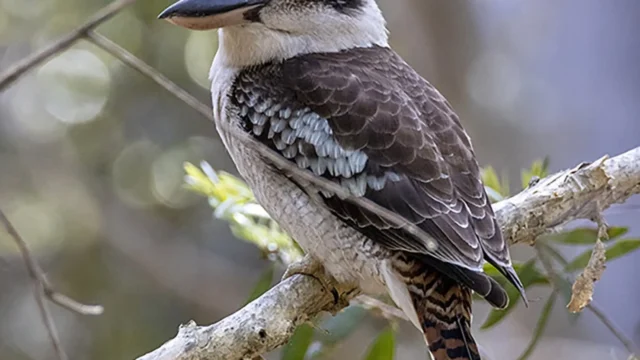
Kakadu National Park, in Australia’s Northern Territory, is one of the most ecologically and culturally significant places on Earth. Home to an amazing array of wildlife, this UNESCO World Heritage site has endemic animals, waterways, and biodiversity like nowhere else in the world. Among the park’s most famous species is the Blue-Winged Kookaburra—a bird with vibrant plumage, sharp eyesight, and a unique call that echoes through monsoon forests, billabongs, and savannas.
If you’re heading to the Top End, Kakadu tours are a must for birders, nature photographers and wildlife enthusiasts.
Meet the Blue-Winged Kookaburra
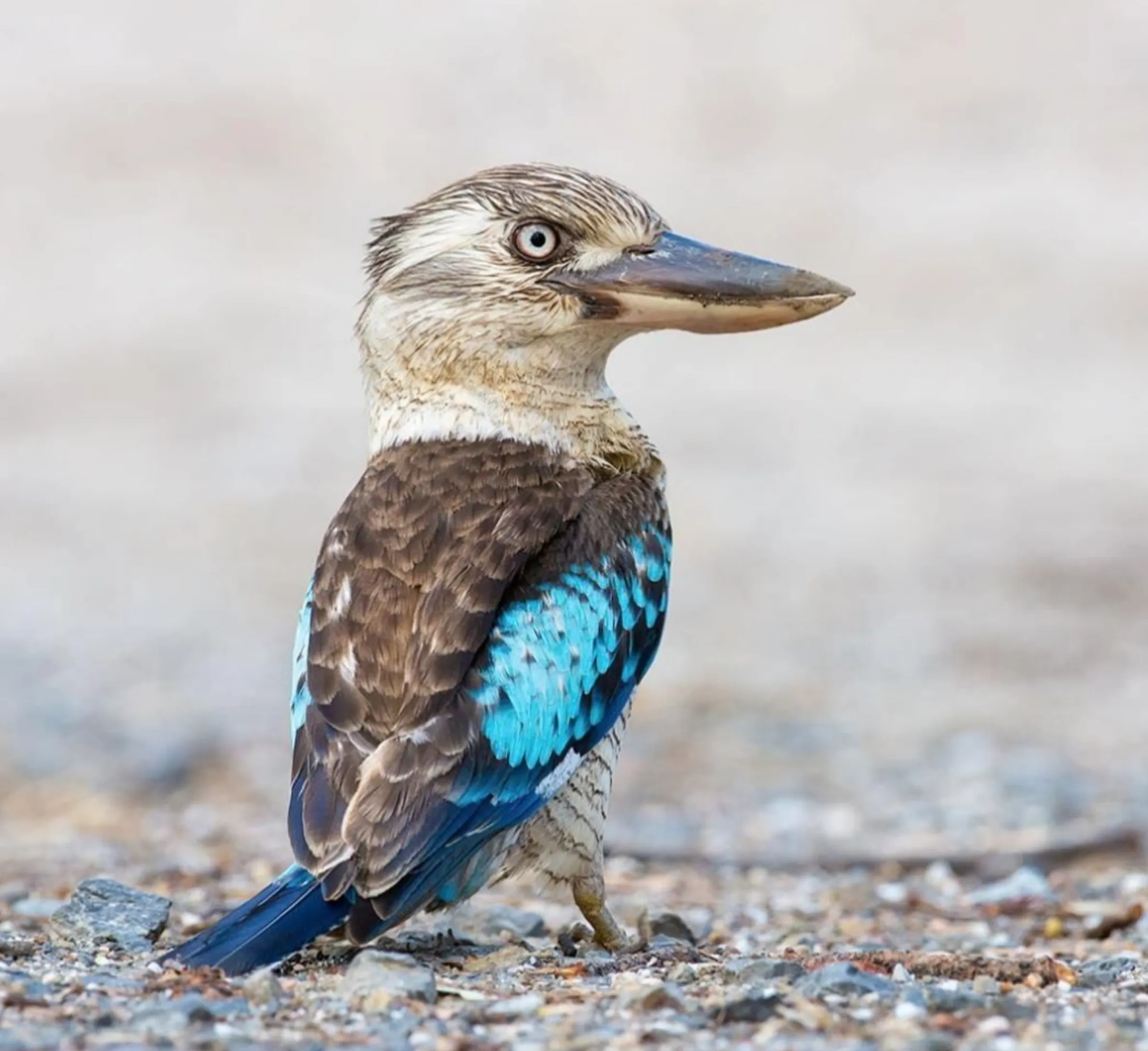
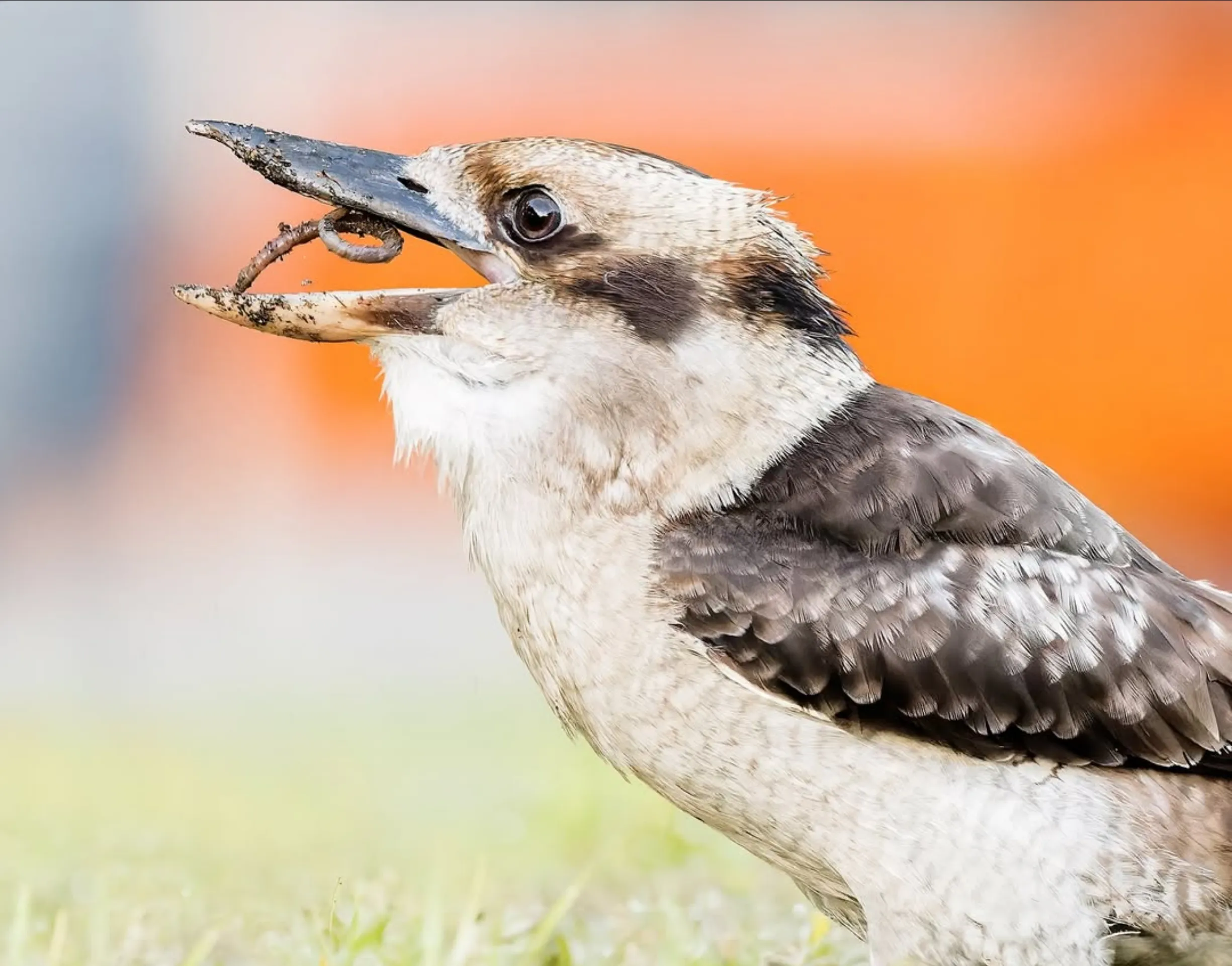
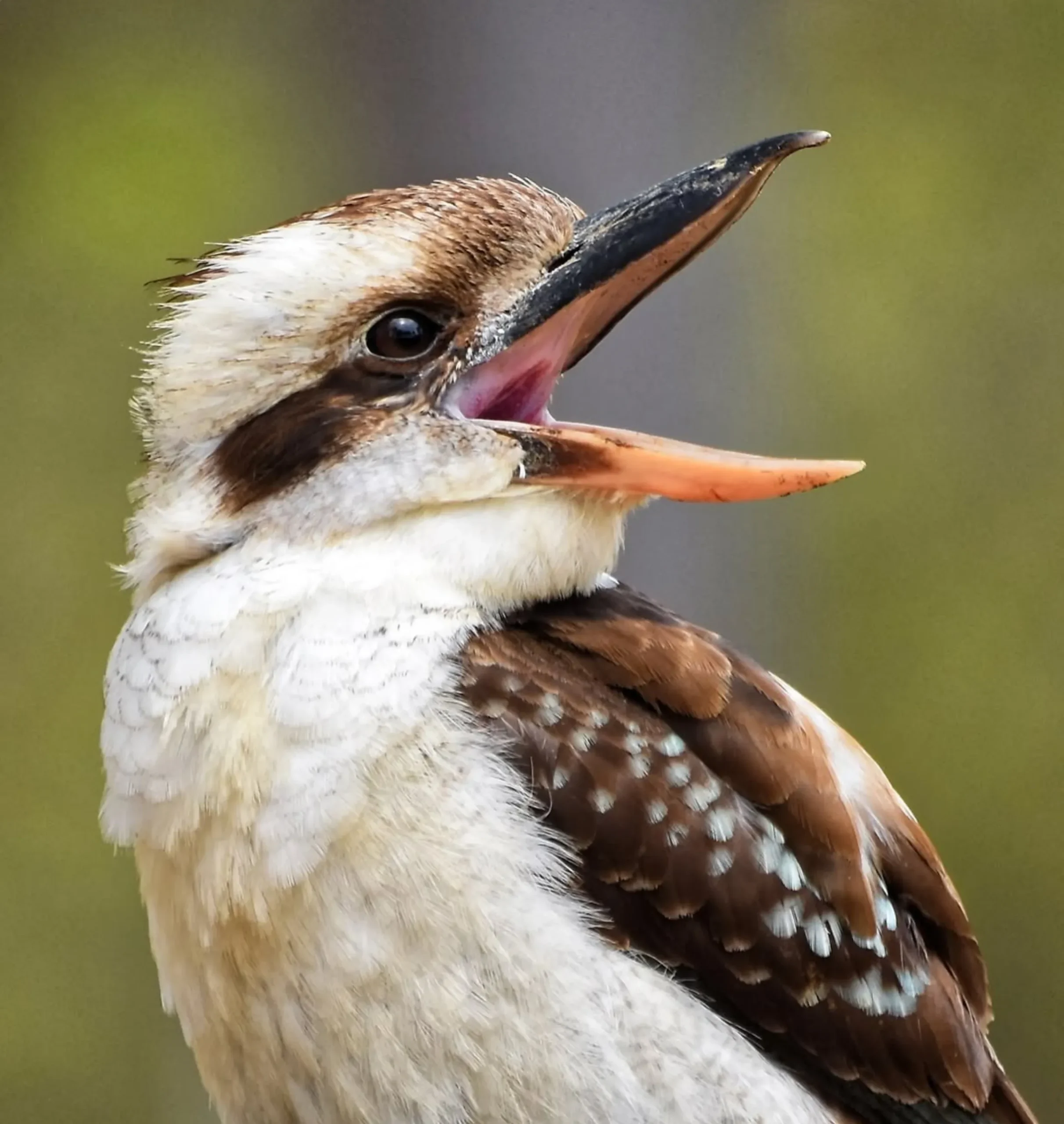
The Blue-Winged Kookaburra (Dacelo leachii) is a stunning member of the kingfisher family, found in northern Australia, including the vast wetlands, woodlands and shallow waters of Kakadu. This native species has a pale head, sharp beak and bold blue feathers on its wings and tail. Unlike its southern cousin, the Laughing Kookaburra, this one doesn’t laugh but is just as loud—often forming noisy colonies during the breeding season.
These clever hunters use their sharp eyesight to spot aquatic insects, small reptiles, frog species, and even arboreal lizards and sugar gliders. They play a vital role in the balance of life in Kakadu’s food chain as native predators and indicator species of habitat health. Kookaburras are often seen perched quietly near coastal waters, listening to the sounds of frogs beneath the dense canopy of Freshwater Mangroves or hunting in open savannas during the dry season.
Join one of the many Kakadu day tours, and you’ll have a good chance of spotting this bird in its natural habitat, especially with a local guide who knows its habits and importance in the ecosystem.
Kookaburras and Indigenous Culture
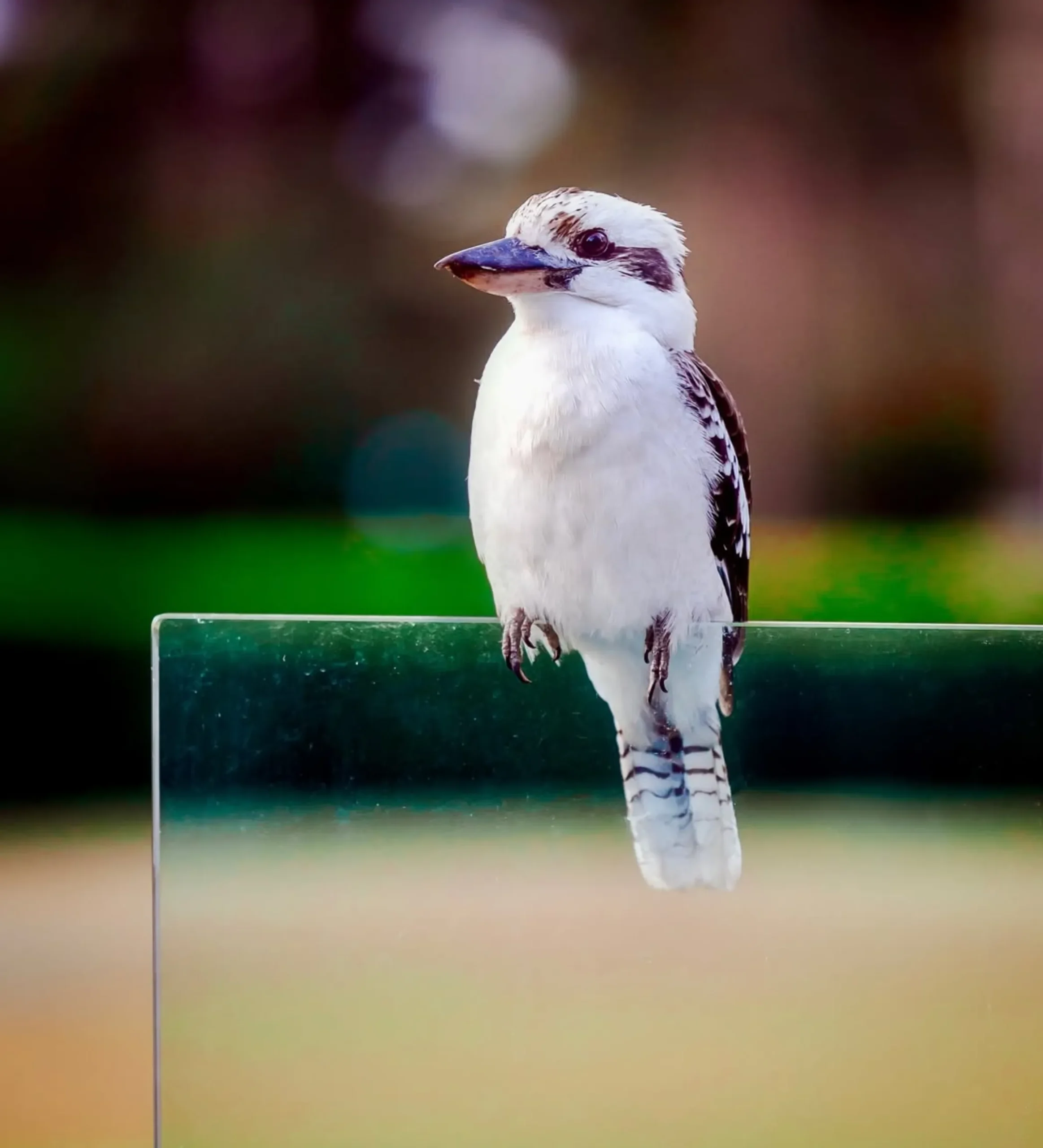
For the traditional owners of Kakadu—the Bininj/Mungguy people—birds like the Blue-Winged Kookaburra have meaning. Aboriginal knowledge ties each animal to seasonal changes, ceremonial cycles, and cultural practices. While Western scientists record bird behaviour and classification, the Bininj/Mungguy understand these birds through generations of lived experience and storytelling across the Country.
Birds like the kookaburra are seen as a food source, spiritual guides and weather indicators, often heard calling before wet season rains. The bird’s behaviour plays a big part in helping people navigate the transition between the wet season, tropical summer and cold weather.
If you want to learn more, many Kakadu National Park tours include cultural components that explore these deep and ancient connections to the land and its creatures.
Where to Spot
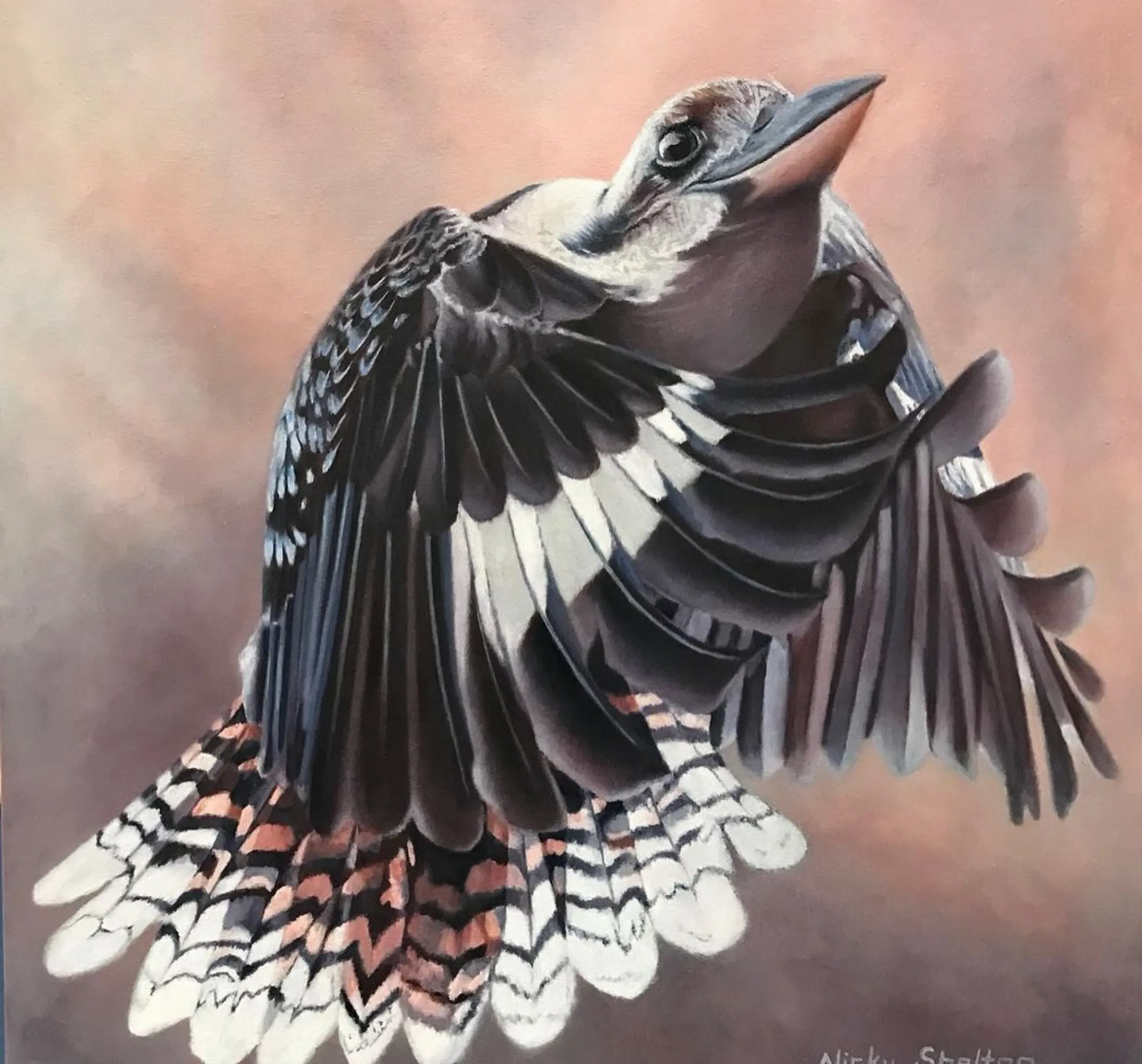
Blue-Winged Kookaburras are found throughout Kakadu’s different environments. You can see them at:
- The Yellow Water Billabong, full of water plants, dragon lizards, water birds and even the elusive Azure Kingfisher
- Around Jim Jim Falls, with its deep waterholes, native vegetation and amphibians
- In the monsoon forests and network of walking trails throughout Arnhem Land and southern Kakadu
- Near campsites and boat cruise points like Cooinda Lodge, where bird species like the Forest Kingfisher, Black Cockatoo, Peaceful dove and imperial pigeon also live
Look out for them in the early morning or late afternoon when birds come out of the shade to hunt and clouds of insects fill the air.
If you’re on a Darwin to Kakadu day trip, these sites are included in well-planned itineraries that combine wildlife viewing with scenic and cultural highlights.
Best Time to See
Dry Season (May to October) is the best time to see Blue-Winged Kookaburras and a wide variety of beautiful birds. With clearer trails and less rain, this is also the time when other species are more active, including the Black-Necked Stork, the Gouldian Finch (Australia’s brightest finch species) and even larger animals like Antilopine Wallaroo and black wallaroo.
Visitors from Darwin often do day trips from Darwin to Kakadu, which are especially popular during the dry season. These are a great way to see Kakadu’s birdlife without having to stay overnight.
But the wet season (November to April) brings the breeding season and the green landscape. This is when migratory species arrive, frog species are more visible, and bird activity is higher near waterways and shallow waters—although travel can be limited due to flooding.
For serious birders, Kakadu Bird Week (usually held in the dry season) is the event where bird experts, tour guides and researchers get together to see, study and celebrate Kakadu’s bird diversity.
FAQ
What makes the Blue-Winged Kookaburra unique among Australian species?
It’s one of the most distinctive bird species in the Australian outback, known for its blue plumage, tropical range and noisy colonies. It doesn’t laugh like the Laughing Kookaburra and is common in northern habitats like the Kakadu National Park.
Can I see the Blue-Winged kookaburra during the wet season?
Yes, but access may be limited. The wet season brings wet season rains, flooding and monsoon rains, which trigger their breeding season and bird activity. But travel conditions can be tough due to habitat loss from flooding.
Are there other bird species to look for in Kakadu?
Yes! Kakadu has over 280 bird species, including Rainbow Bee-eater, Azure Kingfisher, Black Cockatoo, Gouldian Finch and Chestnut-quilled rock pigeons. Join a birds of prey cruise or guided tour to learn more.
What are the threats to Blue-Winged Kookaburras in Kakadu?
Like other native predators, they face pressure from invasive species like the cane toad invasion. Conservation efforts include introducing cane toad sausages (a baiting technique) and protecting native flora and aquatic species that are part of the food chain.
How do I book a day trip from Darwin to see birds in Kakadu?
Many tour companies offer Darwin to Kakadu day trips that include guided wildlife tours, birdwatching cruises and cultural experiences. These Kakadu National Park tours are perfect for those with limited time who want to see Kakadu’s birdlife and landscapes.